What Are Physical Hazards?
Definition and Examples of Physical Hazards
Physical hazards are elements in the work environment that can cause harm to individuals. They represent a wide array of conditions that might result in injury or impairment. Understanding these hazards is crucial for ensuring workplace safety and compliance with occupational health regulations. Examples of physical hazards include machinery with sharp edges, slippery floors, extreme temperatures, construction materials, and electrical sources. Each of these elements poses different types of risk, necessitating specific safety measures. For instance, a construction site may present numerous physical hazards like falling tools or collapsing structures, while a manufacturing unit may contend with moving machinery and airborne dust.
Common Environments with Physical Hazards
Physical hazards can be found across various environments including construction sites, factories, warehouses, offices, and even at home. In construction, the risk of falls is a significant concern, while in factories, the focus often revolves around machine safety. Warehouses are notable for hazards stemming from heavy lifting and pallet operations. In offices, physical hazards may include improper workstation setups leading to ergonomic risks, while home environments often feature risks such as fire hazards from appliances. Identifying where these hazards are most prevalent is the first step towards mitigating risks.
Recognizing Physical Hazards in Daily Operations
To effectively manage physical hazards, employees and managers must be vigilant in recognizing potential dangers during daily operations. This includes performing routine inspections and analyses of machinery, frequently assessing work areas for safety compliance, and being aware of employee feedback regarding safety concerns. Employing hazard checklists can aid in systematically identifying risks in environments where physical hazards might present challenges, ultimately leading to safer operations. For a detailed exploration of workplace safety practices, you might consider the comprehensive resources available for understanding physical hazards.
Types of Physical Hazards in the Workplace
Mechanical and Electrical Hazards
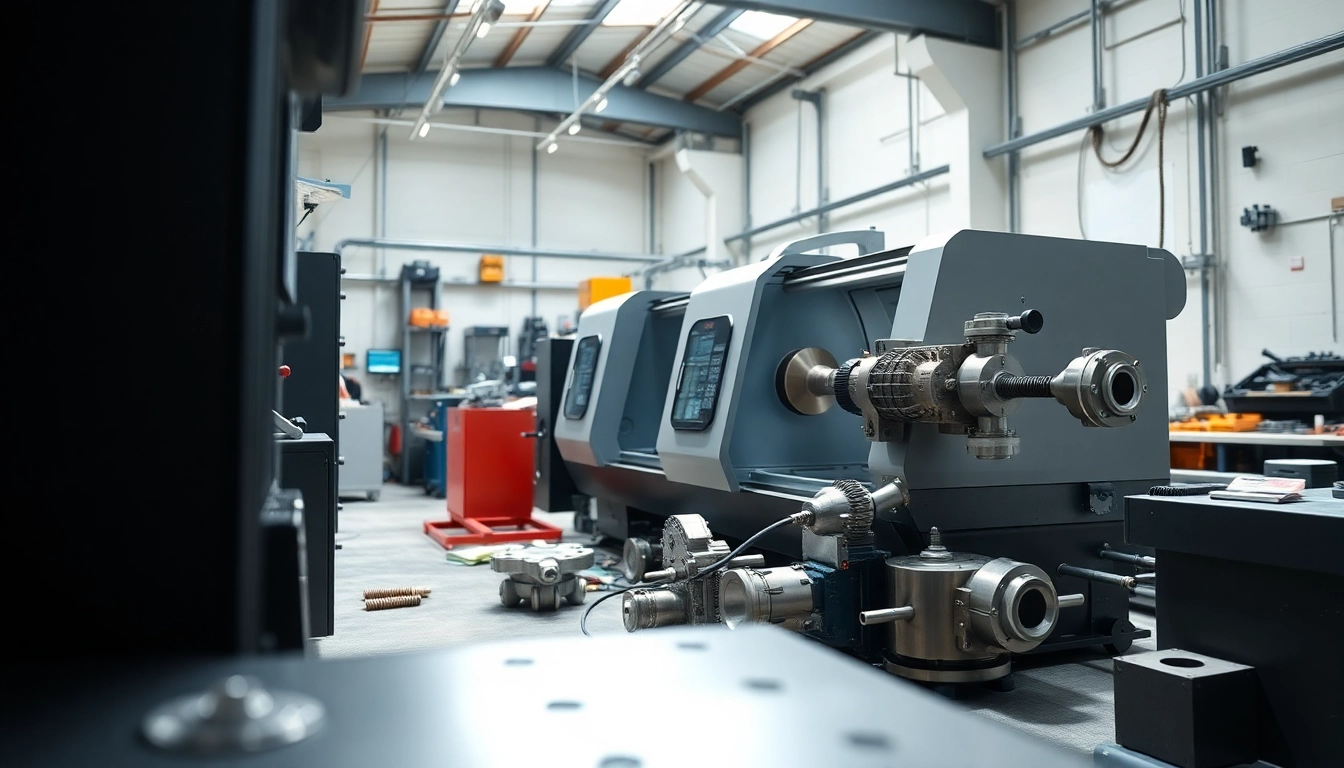
Mechanical hazards typically arise from the operation of machinery or equipment. These hazards can be categorized into moving parts, sharp edges, and pinch points, where body parts may become trapped. To mitigate these risks, industries employ guards, lockout/tag-out procedures, and comprehensive training on proper machinery use. On the other hand, electrical hazards involve the risk of electrocution, electrical burns, or equipment failures due to poor wiring or insufficient grounding. Protective measures such as using insulated tools, adhering to grounding protocols, and conducting regular electrical inspections are essential in minimizing these risks.
Environmental Hazards and Their Impacts
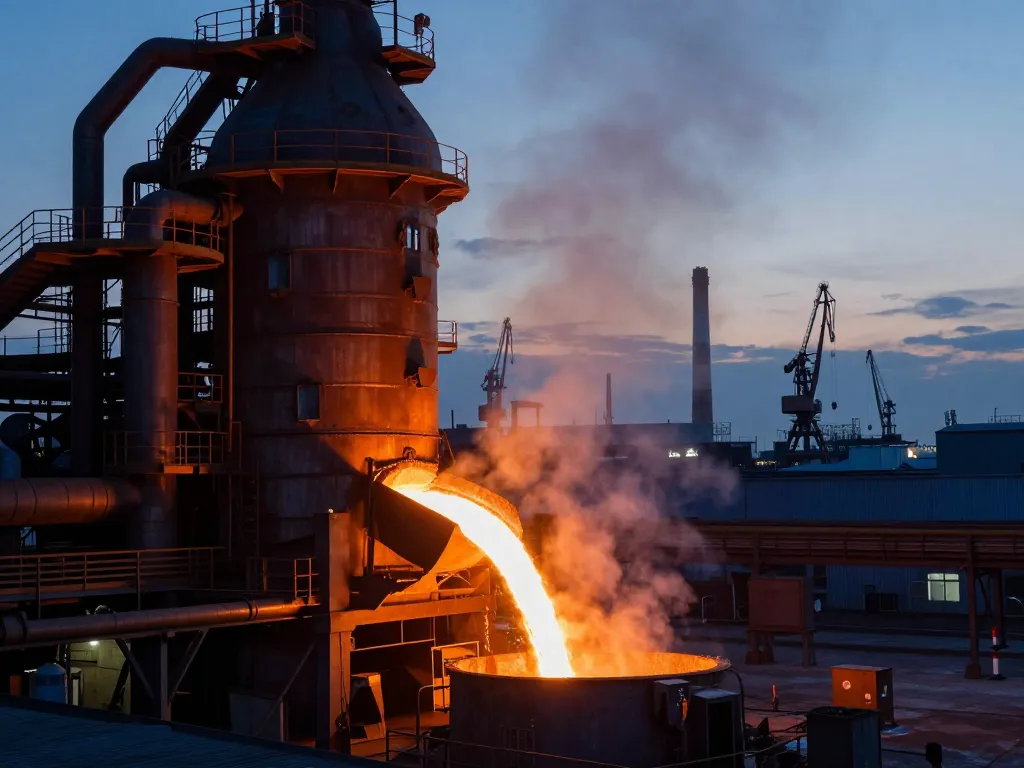
Environmental hazards encompass physical risks arising from the surrounding environment. These can include extreme temperatures, noise, and radiation. For example, working in high-heat environments can lead to heat stress or heat stroke, while exposure to excessive noise levels can result in permanent hearing loss. Employers can combat these environmental hazards by providing climate-controlled workspaces, implementing noise-reduction tactics, and educating employees about the effects of radiation exposure. Monitoring tools and regular assessments can ensure that environmental conditions remain within safe limits.
Ergonomic Risks and Their Solutions
Ergonomic risks come into play when the workplace layout does not support the physical needs of employees, leading to musculoskeletal disorders. Factors such as improper seating, repetitive motions, and awkward postures can result in chronic pain and reduced productivity. Solutions may encompass redesigning workspaces for better access, ergonomic furniture, and job rotation techniques that minimize repetitive tasks. Regular ergonomic assessments can help pinpoint vulnerabilities in workplace ergonomics and lead to the implementation of necessary changes.
Best Practices for Identifying Physical Hazards
Conducting Workplace Inspections
Regular workplace inspections are vital for exposing physical hazards. These inspections should be conducted systematically, evaluating machinery, equipment, and environment for any signs of wear or faults. Utilizing a checklist during the inspection allows for a streamlined process, ensuring that all potential risks are documented and addressed. It is important to incorporate feedback from employees who are familiar with the operations of the facility, as they may spot dangers that a supervisor might overlook.
Implementing Safety Training Sessions
Safety training sessions are an essential component of hazard recognition. Providing continuous education and training for employees on various hazards enhances awareness and preparedness. These sessions should cover the specifics of physical hazards relevant to each respective role within the organization, incorporating hands-on practice to reinforce learning. By fostering a culture of safety, employees become more attentive to risks and proactive in advocating safe practices.
Creating a Safety Awareness Culture
Building a culture that promotes safety involves encouraging open communication about safety concerns and hazards. Management must lead by example, showcasing their commitment to safety by prioritizing it in operational discussions and daily practices. Creating channels for employees to report hazards without fear of retaliation or indifference fosters trust and active participation in safety initiatives. Recognition programs for identifying hazards or implementing safety measures can further motivate employees to engage with safety protocols.
Mitigating Physical Hazards Effectively
Utilizing Proper Personal Protective Equipment (PPE)
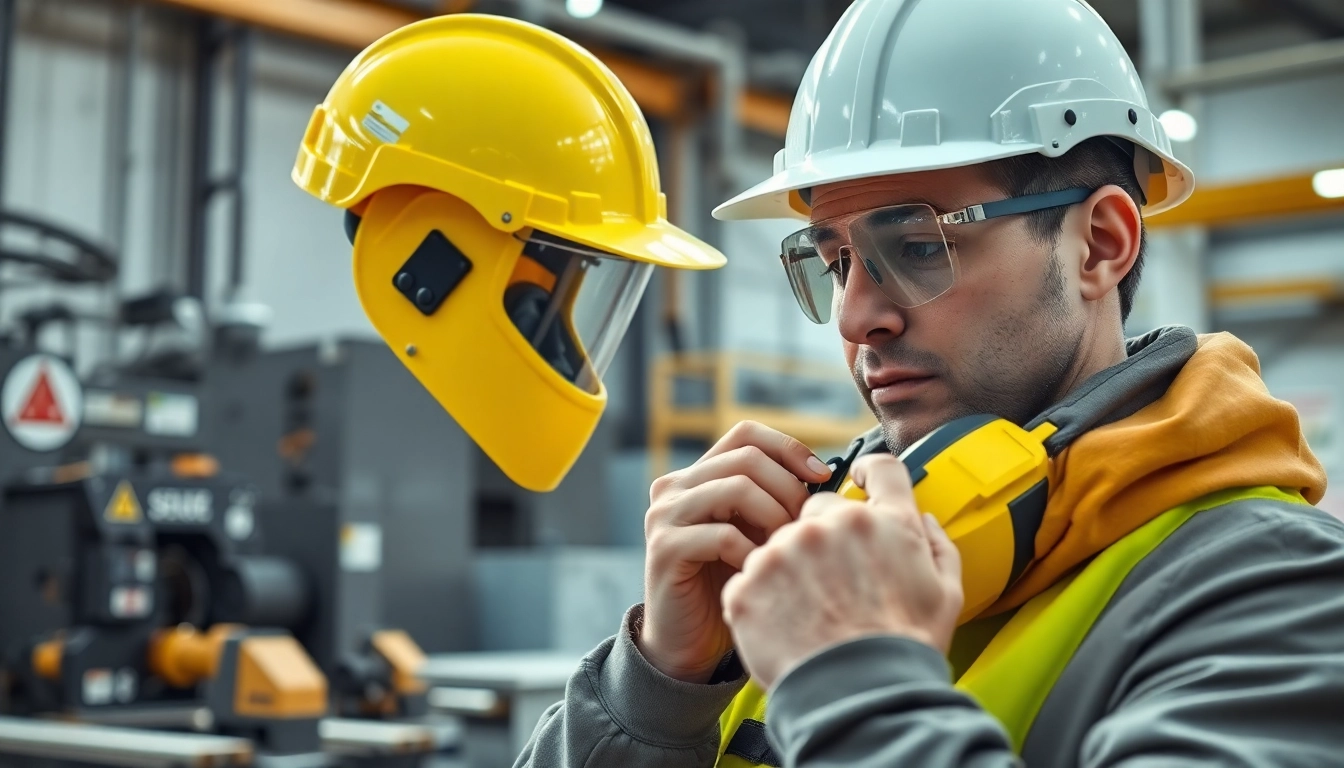
Personal Protective Equipment (PPE) is often the last line of defense against physical hazards. Using appropriate PPE, such as helmets, gloves, goggles, hearing protection, and respiratory masks, is essential in protecting employees from injury. Employers should conduct proper training on the use and maintenance of PPE, ensuring that each piece fits appropriately and is suited for the specific hazards present in their work environment. Regular inspections of PPE can ensure its effectiveness and readiness for use.
Implementing Engineering Controls
Engineering controls involve designing and modifying facilities, equipment, or processes to reduce physical hazards. This may include installing machine guards to shield workers from moving parts, redesigning workflows to minimize manual handling of heavy loads, or implementing ventilation systems that control exposure to harmful fumes. These proactive measures aim to eliminate hazards at the source, thereby decreasing the likelihood of accidents or injuries.
Establishing Administrative Controls and Protocols
Administrative controls are organizational changes initiated to minimize risk. This can encompass job rotation to reduce repetitive stress injuries, scheduling regular maintenance for equipment, and enforcing work-rest schedules to mitigate fatigue. Furthermore, creating clear safety protocols regarding the handling of hazardous materials and establishing procedures for reporting incidents fosters a systematic approach to safety management.
Measuring the Effectiveness of Hazard Mitigation
Key Performance Indicators for Safety Programs
To evaluate the success of hazard mitigation efforts, organizations should identify Key Performance Indicators (KPIs) that reflect safety performance. Common KPIs include the number of workplace injuries, near misses reported, employee training completion rates, and responses to safety audits. Monitoring these indicators over time allows for a quantitative assessment of safety program effectiveness and enables industries to pinpoint areas for improvement.
Continuous Improvement Strategies
Continuous improvement strategies rely on regularly assessing safety measures and integrating updates based on new findings or changes in legislation. This iterative approach encourages organizations to remain adaptive and responsive to new challenges presented by physical hazards. Conducting post-incident reviews to analyze the cause of accidents provides invaluable insight into the effectiveness of current safety measures and informs future interventions.
Case Studies of Successful Hazard Mitigation
Exploring case studies where organizations successfully mitigated physical hazards provides practical insights and learning opportunities. For instance, Company A, a manufacturing firm, implemented an automated machine operation system to minimize human interaction with hazardous moving parts, resulting in a 30% reduction in workplace injuries over two years. Similarly, Company B focused on ergonomics by redesigning workstations for optimal posture, leading to increased productivity and a decrease in reported musculoskeletal disorders. These successes underscore the effectiveness of targeted hazard mitigation strategies.