
Mental wellness is the foundation of a healthy and fulfilling life. It involves maintaining a balanced state of mind, managing stress effectively, and developing emotional resilience. In today's fast-paced world, achieving Mental wellness can feel challenging. However, with consistent strategies and practical approaches, anyone can cultivate calm, focus, and resilience in daily life. This article will guide you through evidence-based methods, simple lifestyle changes, and insightful practices to strengthen your mental wellness.
Understanding Mental Wellness
Mental wellness refers to a state of well-being in which an individual can cope with normal life stressors, work productively, and contribute to their community. It goes beyond the absence of mental disorders, encompassing emotional, psychological, and social well-being. Mental wellness affects how we think, feel, and act in our everyday lives.
Signs of good mental wellness include:
- The ability to manage stress effectively
- Positive relationships with others
- Clear thinking and focus
- Emotional resilience and self-confidence
- Balanced mood and optimism
The Importance of Mental Wellness
Mental wellness is vital for overall health. Poor mental health can lead to anxiety, depression, and physical health issues such as high blood pressure or weakened immunity. Maintaining mental wellness improves concentration, decision-making, and emotional stability, which in turn enhances personal and professional life.
Consider Maria, a high school student juggling schoolwork and family responsibilities. By practicing mental wellness strategies like mindful breathing and structured routines, she reduced anxiety and improved focus on her studies, demonstrating how small steps can lead to significant improvements.
Daily Habits to Promote Mental Wellness
Building strong mental wellness begins with daily habits. These habits create a foundation for emotional stability and resilience.
Prioritize Sleep
Quality sleep is essential for mental wellness. Sleep deprivation can increase irritability, reduce cognitive function, and heighten anxiety. Establishing a regular sleep routine, limiting screen time before bed, and creating a comfortable sleep environment are effective strategies.
Practice Mindfulness
Mindfulness involves paying attention to the present moment without judgment. It reduces stress, increases focus, and improves emotional regulation. Mindfulness practices include meditation, deep breathing exercises, and mindful walking. For example, taking five minutes to focus on your breath during a stressful day can significantly reduce tension and promote clarity.
Engage in Physical Activity
Exercise is not only beneficial for physical health but also improves mental wellness. Regular physical activity releases endorphins, which reduce stress and enhance mood. Simple activities like walking, cycling, or yoga can support calmness and resilience.
Maintain a Balanced Diet
Nutrition affects brain function and emotional health. Consuming a diet rich in fruits, vegetables, whole grains, and lean proteins provides essential nutrients for mental wellness. Omega-3 fatty acids, found in fish and nuts, are particularly beneficial for reducing anxiety and improving focus.
Limit Negative Influences
Constant exposure to negativity, whether through social media or stressful environments, can harm mental wellness. Limiting screen time, surrounding yourself with supportive people, and avoiding toxic situations can protect your emotional health.
Cognitive Strategies for Mental Wellness
In addition to lifestyle habits, cognitive strategies play a critical role in strengthening mental wellness.
Challenge Negative Thoughts
Negative thinking patterns can increase stress and anxiety. Learning to identify and challenge irrational thoughts helps maintain calm and focus. For instance, if you think, "I will never succeed," replace it with, "I can handle challenges one step at a time."
Set Realistic Goals
Setting achievable goals provides direction and motivation. Break larger tasks into smaller steps to prevent feeling overwhelmed. This approach encourages persistence and builds confidence, supporting long-term resilience.
Practice Gratitude
Gratitude improves mental wellness by shifting focus from problems to positive experiences. Keeping a daily gratitude journal, where you note three things you are thankful for, can increase optimism and emotional stability.
Develop Problem-Solving Skills
Facing challenges is a part of life, but approaching them with effective problem-solving skills enhances resilience. Analyze the situation, consider options, and implement a solution while staying adaptable.
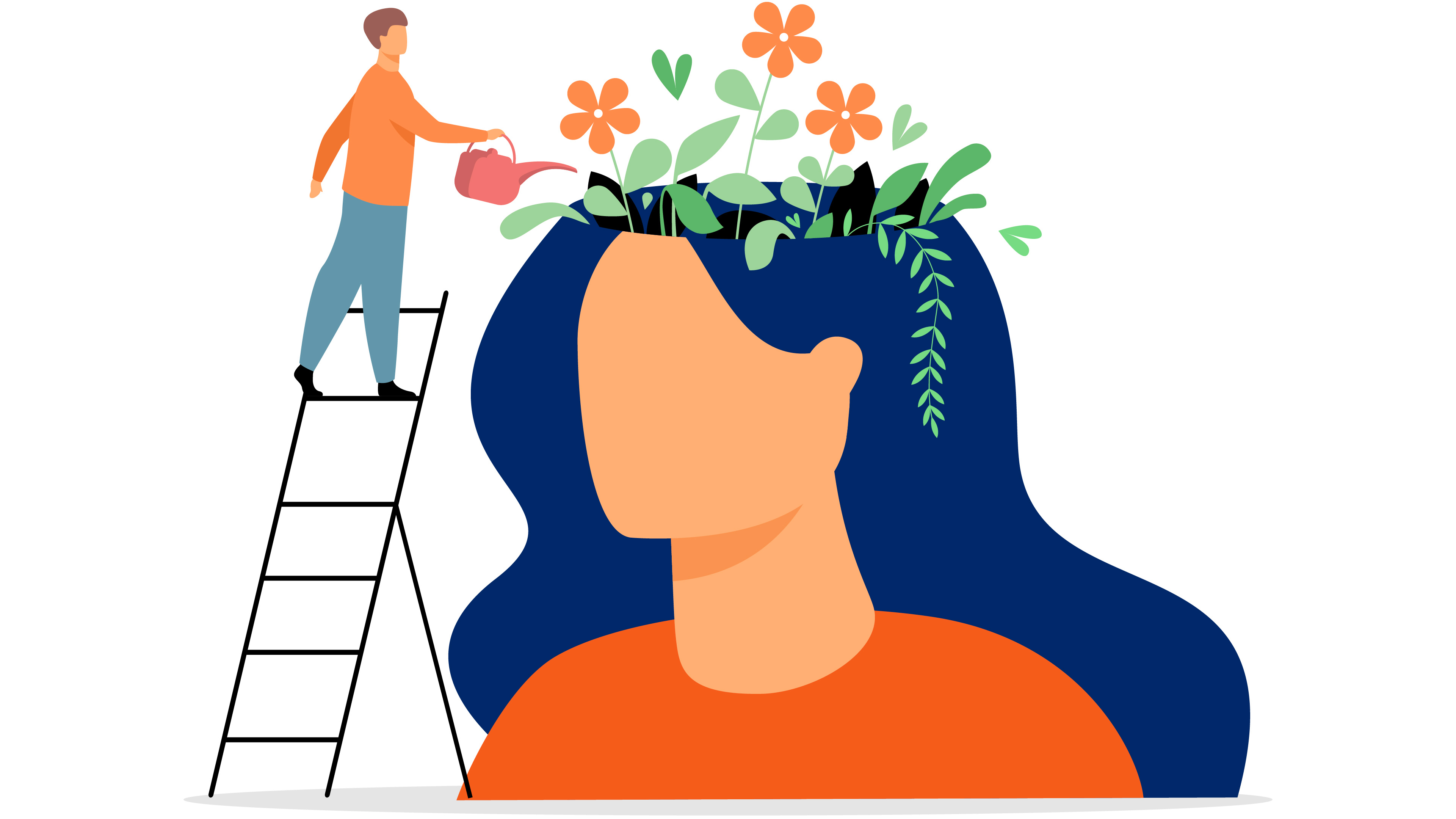
Emotional Wellness Practices
Emotional wellness is a key component of mental wellness. It involves understanding, expressing, and managing emotions effectively.
Build Strong Relationships
Social connections provide support and reduce stress. Investing time in nurturing healthy relationships improves emotional well-being. For example, talking to a trusted friend during a stressful time can help release tension and gain perspective.
Engage in Self-Care
Self-care is crucial for maintaining calm and focus. This includes activities that bring joy, relaxation, and renewal. Examples include reading, listening to music, practicing hobbies, or spending time in nature.
Seek Professional Support
Therapy and counseling are effective tools for improving mental wellness. Mental health professionals can provide guidance, coping strategies, and emotional support to navigate difficult situations.
Mind-Body Techniques
Mind-body techniques strengthen the connection between mental wellness and physical health.
Yoga and Stretching
Yoga combines physical postures, breathing exercises, and meditation to promote relaxation and focus. Stretching releases tension and improves circulation, which positively impacts mood.
Deep Breathing Exercises
Deep breathing activates the body's relaxation response. Practicing diaphragmatic breathing for a few minutes daily reduces stress and improves clarity.
Progressive Muscle Relaxation
This technique involves tensing and relaxing different muscle groups to reduce stress. It helps release physical tension and cultivates a sense of calm.
Managing Stress and Anxiety
Stress and anxiety are inevitable, but they can be managed effectively to maintain mental wellness.
Identify Stressors
Understanding what triggers stress allows you to manage it proactively. Keep a journal to track stressful situations and your reactions.
Develop Coping Mechanisms
Coping mechanisms such as exercise, mindfulness, and time management can reduce stress impact. Learning to pause, breathe, and approach problems calmly enhances focus and resilience.
Limit Multitasking
Multitasking increases cognitive load and stress. Focus on one task at a time to improve efficiency and mental clarity.
Building Long-Term Resilience
Resilience is the ability to adapt and recover from adversity. Developing resilience supports mental wellness by helping you navigate life's challenges.
Cultivate Optimism
Optimistic thinking fosters resilience by focusing on possibilities rather than obstacles. Practice reframing setbacks as opportunities for growth.
Maintain Flexibility
Life is unpredictable. Flexibility in thoughts and actions allows you to adapt to changing circumstances, reducing stress and enhancing mental wellness.
Learn from Experiences
Reflecting on past challenges and identifying lessons learned builds confidence and prepares you for future difficulties.
Real-Life Example: From Stress to Resilience
Consider James, a college student facing academic pressure and personal challenges. By practicing mindfulness, maintaining a structured daily routine, exercising regularly, and seeking peer support, James improved his mental wellness. Over time, he became more focused, resilient, and emotionally balanced, demonstrating how consistent strategies can transform stress into personal growth.
Incorporating Mental Wellness in Daily Life
Creating a mental wellness routine ensures that strategies become habits rather than occasional actions. Steps include:
- Start the day with a mindfulness exercise or journaling.
- Schedule physical activity or outdoor time daily.
- Eat balanced meals and stay hydrated.
- Take short breaks during work or study to reset focus.
- Practice gratitude or reflection in the evening.
- Seek support when needed, whether through friends, family, or professionals.
Consistency in these practices leads to sustainable calm, focus, and resilience.
Conclusion
Mental wellness is essential for navigating the complexities of modern life. By adopting practical daily habits, cognitive strategies, emotional wellness practices, and mind-body techniques, anyone can enhance their calm, focus, and resilience. Prioritizing sleep, nutrition, exercise, mindfulness, and supportive relationships provides a solid foundation for mental wellness. Developing coping mechanisms, building resilience, and seeking professional guidance when necessary ensures that individuals can thrive despite challenges. Embracing these strategies fosters a balanced, healthy, and fulfilling life. Navigate all sections easily by returning to the homepage.
FAQs
What is mental wellness and why is it important?
Mental wellness is a state of well-being where an individual can manage stress, work productively, and maintain healthy relationships. It is important because it affects emotional stability, cognitive function, and overall physical health, enabling a balanced and fulfilling life.
How can I practice mental wellness daily?
Daily mental wellness practices include getting sufficient sleep, exercising regularly, eating a balanced diet, practicing mindfulness, maintaining supportive relationships, and engaging in self-care activities. Even small, consistent actions contribute to long-term emotional health.
How does mindfulness improve mental wellness?
Mindfulness enhances mental wellness by focusing attention on the present moment, reducing stress, improving emotional regulation, and increasing clarity. Techniques like meditation, deep breathing, and mindful walking help cultivate calmness and resilience.