Understanding Structural Steel Installation
What Is Structural Steel Installation?
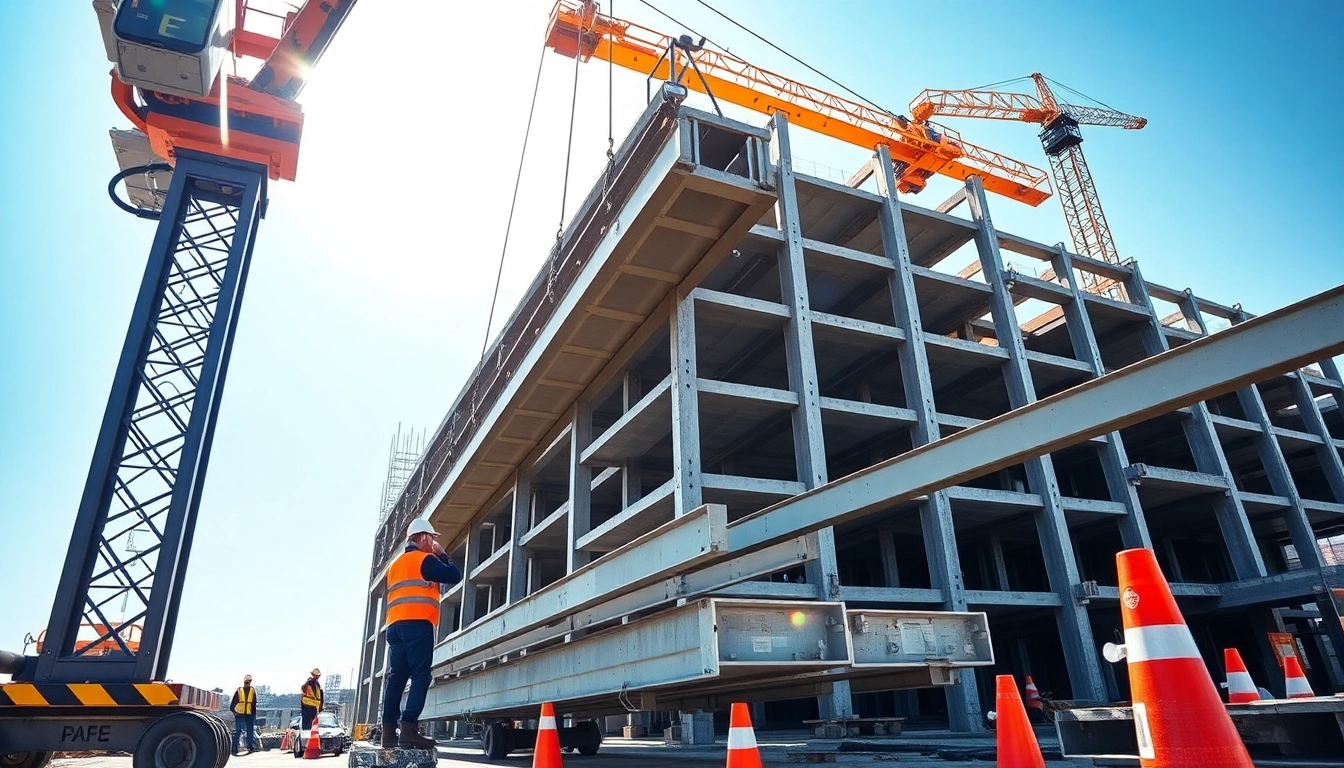
Structural steel installation refers to the process of assembling and erecting a robust framework of steel beams, columns, and other components that serve as the skeleton of a building or structure. This practice is crucial in construction, as it provides the necessary support for floors, roofs, and the overall stability of the building. The installation process involves several key stages, including fabrication, transportation, and finally, the assembly at the construction site.
Engineered for strength and durability, structural steel is a versatile material that meets the complexities of modern architectural designs. It can withstand extreme loads, resist natural forces like earthquakes and wind, and ensure longevity. Therefore, the precision in its installation directly impacts the safety and functionality of a structure.
Importance of Structural Steel in Construction
The importance of structural steel in construction cannot be overstated. Not only does it provide the necessary framework to hold a structure together, but it also facilitates faster construction timelines and reduced labor costs compared to traditional methods. Its strength-to-weight ratio allows for larger open spaces without the need for excessive support columns, enabling architects to design more innovative and spacious environments.
Moreover, structural steel is recyclable and can be produced with lower energy consumption than other building materials, contributing to greener building practices. As more construction projects seek to align with sustainability goals, the demand for structural steel continues to rise, making its installation an integral part of the construction process.
Common Materials Used in Structural Steel
In structural steel installations, various materials are used to ensure the strength and integrity of the construction. The most common materials include:
- Carbon Steel: This type of steel is prevalent in structural applications due to its strength and affordability. It is often used for beams, columns, and frames.
- Stainless Steel: Known for its corrosion resistance, stainless steel is often utilized in structures that require heightened durability and aesthetic appeal.
- Alloy Steel: Combining various metal elements, alloy steel enhances specific properties such as tensile strength and corrosion resistance, making it ideal for specialized applications.
- Reinforced Steel: Typically used in conjunction with concrete, reinforced steel increases tensile strength, making it essential for foundations and support systems.
Techniques for Efficient Structural Steel Installation
Pre-Installation Planning and Preparation
Effective structural steel installation begins long before the actual assembly of materials starts. Planning and preparation are critical to ensure the project runs smoothly and stays within budget. This stage includes various activities such as site assessment, creating structural design blueprints, and preparing the necessary tools and equipment.
Proper coordination with various stakeholders—including architects, engineers, and contractors—helps in mitigating risks and addressing potential issues early in the process. It’s also essential to evaluate the site conditions and ensure that safety protocols are established. Movement of materials, lifting techniques, and worker accessibility should be planned meticulously to minimize delays and accidents.
Assembly Techniques for Structural Steel Components
The assembly of structural steel components involves a range of techniques that enhance efficiency and safety. Key methods include:
- Bolted Connections: Most common in structural steel assembly, bolted connections allow for quick adjustments on-site and are cost-effective, providing flexibility during installation.
- Welded Connections: Essential for certain load-bearing structures, welding creates a permanent connection that maintains the integrity of the assembly, usually requiring skilled labor.
- Steel Fabrication: Prefabricating components off-site reduces on-site construction time, and allows for higher quality control, as pieces are manufactured in a controlled environment.
- Crane Operations: Using cranes efficiently to lift large sections of steel accurately and safely is critical for minimizing installation time and ensuring the safety of workers.
Inspection and Quality Assurance Methods
Post-installation inspection and quality assurance are vital to maintaining structural integrity and safety. These methods include visual inspections to check for any visible flaws or misalignments, as well as more advanced techniques such as ultrasonic testing and radiographic testing for detecting internal defects. Regular quality audits throughout the installation process ensure compliance with standards and building codes.
Implementing a solid quality assurance plan means engaging specialized inspectors to conduct thorough checks at various stages of construction. This proactive approach not only enhances safety but also helps avoid costly repairs and rework in the future.
Best Practices for Safety in Structural Steel Installation
Essential Safety Equipment for Workers
Safety should always be the foremost priority in structural steel installation. Workers should be equipped with essential personal protective equipment (PPE) such as:
- Hard Hats: Protects against head injuries from falling objects.
- Safety Harnesses: Crucial when working at heights to prevent falls.
- Gloves: Protects hands from sharp edges and heavy materials.
- Steel-Toed Boots: Essential for foot protection against heavy loads.
Additionally, having the right tools and ensuring that they are free of defects can greatly reduce the risks associated with installation.
Common Hazards and Risk Mitigation Strategies
Structural steel installation poses various hazards, including falls, equipment-related incidents, and structural failures. It is crucial to conduct a thorough risk assessment before beginning installation work. Common strategies to mitigate these risks include:
- Training Programs: Regular safety training ensures that all workers are aware of potential hazards and know how to handle them.
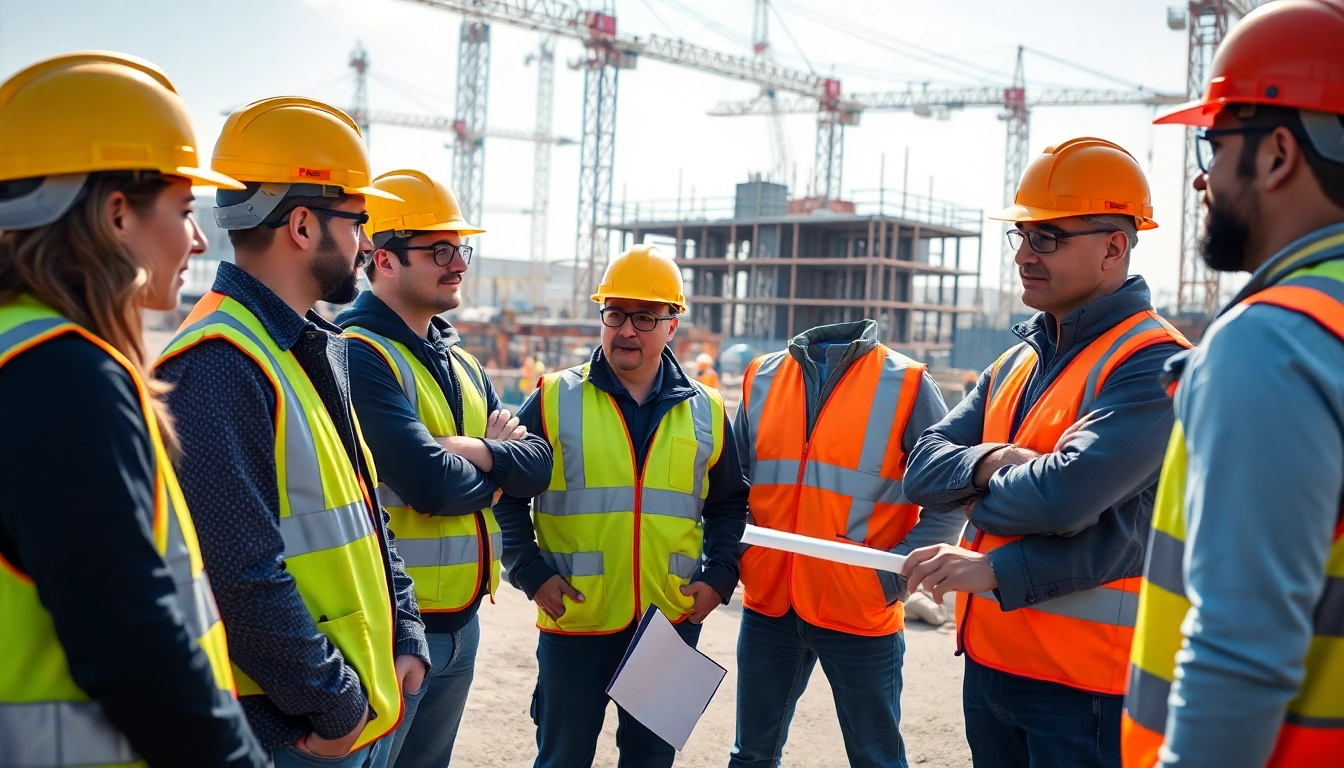
- Site Safety Meetings: Holding daily briefings helps keep everyone informed about current safety practices and makes them aware of ongoing tasks and potential hazards.
- Proper Signage: Clear signs indicating safety zones and hazards can assist workers in navigating the site safely.
- Emergency Procedures: Having a well-defined emergency response plan can significantly reduce injury severity and enhance worker confidence.
Training and Certification for Installation Crews
Workers involved in structural steel installation should receive specialized training and certification to ensure safety and quality of work. Programs offered by organizations such as the Occupational Safety and Health Administration (OSHA) cover topics like fall protection, material handling, and the proper use of tools. Continuous education ensures that crew members are up-to-date with the latest industry standards and best practices.
Investing in training not only boosts worker morale and confidence but ultimately leads to fewer accidents and higher operational efficiency on site.
Cost Considerations in Structural Steel Installation
Budgeting for Projects: Estimating Costs
Estimating costs for structural steel installation involves considering various factors, including material costs, labor, and equipment expenses. Creating an accurate budget requires a comprehensive understanding of the project scope, including design complexity, size of the structure, and timeline. Typically, costs can be broken down into:
- Material Costs: This includes the cost of steel itself along with any necessary accessories.
- Labor Costs: Skilled labor is essential for quality installation, which can significantly affect overall project expenses.
- Equipment Costs: Renting or purchasing machinery for installation should also be factored into the budget.
Factors Affecting Structural Steel Prices
Several factors affect the costs associated with structural steel, including:
- Market Demand: Fluctuating demand for construction materials can dramatically alter steel prices.
- Raw Material Costs: Changes in prices for iron ore and other raw materials directly impact the price of steel.
- Transportation: The distance from the fabrication plant to the construction site plays a role in shipping costs.
Understanding these factors can help project managers make informed decisions and potentially lock in costs before projected increases.
Maximizing Value through Efficient Installation
To maximize value in structural steel installation, efficiency plays a key role. By optimizing the installation process, contractors can reduce labor costs while maintaining high-quality standards. Here are some strategies to consider:
- Pre-Planning: Utilizing detailed project plans can help in streamlining the flow of work and ensure all materials are on site when needed.
- Utilization of Technology: Employing 3D modeling and Building Information Modeling (BIM) can facilitate better communication and planning, significantly reducing errors and rework.
- Collaboration: Engaging all involved parties—from suppliers to labor crews—ensures that everyone is aligned with project objectives and timelines.
Future Trends in Structural Steel Installation
Innovations in Steel Fabrication and Design
The future of structural steel installation is bright, driven by technological advancements in fabrication and design. Innovations such as automated robotic systems for welding and cutting have emerged, increasing precision and decreasing labor time. Moreover, modular construction techniques allow for off-site fabrication, which improves efficiency and reduces site waste.
Design innovations focusing on sustainable solutions, such as using recycled steel and employing advanced modeling techniques, are shaping the future landscape of structural steel installation, making it not only cost-effective but more environmentally responsible.
Impact of Technology on Installation Processes
Technology is transforming how structural steel is installed. Advancements in technology can facilitate real-time tracking of materials and construction processes, improving transparency and accountability. For instance, drones are beginning to be used for site inspections and site management, offering an aerial view that traditional methods cannot achieve.
Additionally, augmented reality (AR) and virtual reality (VR) tools are being tested to provide immersive training for workers, simulating environments and scenarios that they may face on-site without the associated risks. These technologies promise to enhance skill development and operational efficiency.
Sustainability Practices in Steel Construction
As the construction industry shifts towards sustainable practices, structural steel is adapting accordingly. The move towards using recycled materials is crucial in reducing waste and minimizing the environmental impact of construction projects. More firms are embracing sustainable steel production methods, focusing on reducing carbon footprints and energy usage.
Additionally, design practices emphasize the lifecycle of materials, aiming for structures that are not only effective but also easy to disassemble and re-use. The trend of green building certifications and standards, such as LEED, encourages the integration of sustainability into all facets of construction, including steel fabrication and installation.
Mastering structural steel installation involves understanding its significance in construction, adhering to best practices for safety, and being attuned to future trends and technological advancements. By prioritizing planning, embracing technology, and fostering a culture of safety, contractors can ensure that their projects not only meet design requirements but also contribute positively to the environment and society.