Understanding Panel Wall Wood
What is Panel Wall Wood?
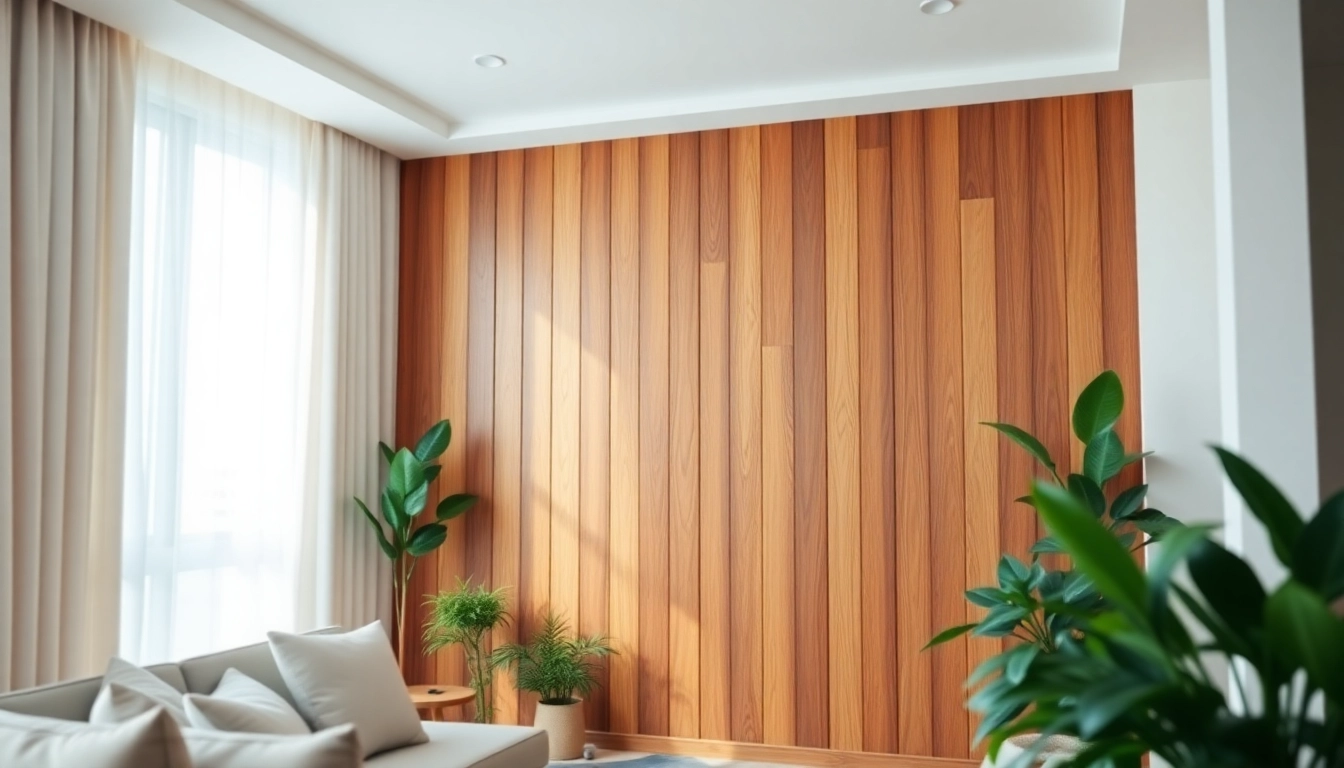
Panel wall wood refers to the use of wood panels to cover the walls of a space, providing both aesthetic appeal and functional benefits. This type of woodwork has been a favorite in various settings, ranging from modern homes to rustic cabins, offering versatility and an array of design options. The charm of panel wall wood lies in its ability to transform ordinary walls into extraordinary visual statements, all while adding warmth and texture to any environment.
Types of Wood Used in Panels
When it comes to panel wall wood, a variety of wood types can be utilized, each offering unique characteristics:
- Hardwoods: These include oak, maple, cherry, and walnut, known for their density and durability. Hardwoods often feature rich colors and intricate grain patterns.
- Softwoods: Types like pine, cedar, and fir are lighter and easier to work with. They often have a more relaxed aesthetic, ideal for casual designs.
- Plywood: Plywood panels can be crafted from various wood types, offering strength and a stable structure. They are often used in commercial settings where durability is a priority.
- Engineered Wood: Products such as MDF (Medium Density Fiberboard) and plywood veneers offer the look of real wood at a potentially lower cost and higher resistance to warping.
Benefits of Using Panel Wall Wood
Opting for panel wall wood presents several advantages that enhance the functionality and aesthetics of your space:
- Aesthetic Appeal: Wood panels add a warm, inviting feel to any room, complementing various design styles from rustic to contemporary.
- Durability: When properly maintained, wood panels can last for decades, significantly outliving various other wall treatment options.
- Acoustic Benefits: Wood has excellent sound-absorbing properties, making panel wall wood an ideal choice for enhancing acoustics in music rooms, theaters, and more.
- Insulation Properties: A properly insulated wood panel wall can help in regulating room temperature, providing better energy efficiency and comfort.
- Value Addition: Well-designed wood paneling can increase the overall value of your home or property, making it appealing to potential buyers.
Choosing the Right Panel Wall Wood for Your Space
Factors to Consider When Selecting Panel Wall Wood
Selecting the appropriate panel wall wood requires thoughtful consideration of several factors, including:
- Room Functionality: Different rooms might require different wood options. For example, a high-humidity area like a bathroom might benefit more from treated wood or engineered wood.
- The Style of Your Home: The choice of wood paneling should align with your overall home aesthetic. For more traditional homes, classic wood finishes are ideal, while modern designs can benefit from sleek, minimalist options.
- Budget: Wood paneling varies in cost. Determine how much you are willing to invest and explore options that fit within that budget while still maintaining quality.
- Maintenance Requirements: Some wood types require more upkeep than others. Consider how much time and effort you are willing to spend on maintenance.
Color and Texture Variations in Panel Wall Wood
Color and texture are significant elements in choosing panel wall wood. The depth and richness of the wood grain can enhance the ambiance of a room. Options range from light shades, such as natural pine, to darker, more sophisticated stains like walnut. Additionally, various textures such as smooth finishes or distressed looks can evoke different feelings—from rustic charm to sleek modernity.
Matching Panel Wall Wood to Your Interior Design
Integrating panel wall wood into your interior design starts with matching it to existing colors and materials. Consider the following tips:
- Complementary Colors: Match the wood tones to your existing color palette for a seamless look.
- Mixed Materials: Wood can be combined with metal, glass, or textiles for a layered design approach that adds interest.
- Focal Points: Use panel wall wood to create visual focal points, such as accent walls, which draw the eye and enhance room dynamics.
Installation Process for Panel Wall Wood
Preparing Your Walls for Installation
Proper preparation is critical for a successful installation of panel wall wood. The walls should be clean, dry, and free of any existing wall treatments. Remove any fixtures, nails, and loose paint. If you're installing over drywall, make sure it is in good condition to avoid compromising the panel's durability.
Tools and Materials Needed for Panel Wall Wood
Before embarking on the installation process, ensure you have the necessary tools and materials. Key items include:
- Wood panels
- Measuring tape
- Level
- Nail gun or hammer
- Adhesive (if required)
- Saw (hand saw or electric saw)
- Safety gear (gloves, goggles)
Step-by-Step Guide to Installing Panel Wall Wood
Follow these steps for a straightforward installation process:
- Measure your wall to determine how many panels you will need. Scout your patterns to minimize waste.
- Cut your panels to the desired sizes using your saw.
- Start from one corner of the wall, placing the first panel in position and securing it with nails or adhesive.
- Continue placing panels, ensuring they are level and aligned, using spacers as needed.
- Once all panels are installed, finish edges with trim or caulking as necessary for a polished look.
Maintenance Tips for Panel Wall Wood
Cleaning and Caring for Your Panel Wall Wood
Maintaining the look and longevity of your panel wall wood involves regular cleaning and care. Dust surfaces weekly with a soft cloth, and for more thorough cleaning, use a damp cloth with a gentle cleaner. Avoid harsh chemicals that can damage the wood finish.
Common Issues and How to Resolve Them
Panel wall wood might encounter problems like warping or fading. If warping occurs, check for moisture issues and consider a dehumidifier. For fading, a sealant or regular refinishing every few years can help protect against sunlight.
Long-Term Maintenance Strategies for Panel Wall Wood
Long-term care includes periodic inspections for signs of damage. Regularly resealing or waxing the wood can restore its shine and add a layer of protection. Remember to adjust humidity levels to maintain the integrity of the wood.
Design Inspiration Using Panel Wall Wood
Contemporary Spaces with Panel Wall Wood
For contemporary designs, utilize clean lines and simplified patterns in your panel wall wood. Light-colored wood can create a bright and airy feel, making spaces feel larger. Use linear layouts to highlight the spaciousness.
Rustic Aesthetics and Panel Wall Wood
Rustic designs benefit from textured, reclaimed wood paneling that showcases natural imperfections. Incorporate elements like barn doors or natural wood finishes to create a cozy atmosphere that invites relaxation.
Unique DIY Projects with Panel Wall Wood
Engaging with panel wall wood can extend beyond traditional installations. Consider DIY projects like creating a wood feature wall in your entryway, crafting custom furniture, or even art installations that integrate wood panel techniques.
Frequently Asked Questions
1. How much does panel wall wood typically cost?
The cost of panel wall wood varies based on the type of wood and paneling style, generally ranging from $10 to $20 per square foot.
2. Can I install panel wall wood myself?
Yes, with the right tools and materials, DIY installation is achievable. Just follow the proper preparation and installation steps for the best results.
3. What are some ways to maintain the appearance of panel wall wood?
Regular dusting, using gentle cleaners, and periodic resealing can help maintain the wood's appearance and durability over time.
4. Is panel wall wood suitable for high-humidity areas?
Engineered wood or treated wood is often better suited for high-humidity areas like bathrooms and kitchens, as they resist moisture better than traditional solid wood.
5. How can I ensure my panel wall wood matches my interior decor?
Choose wood colors and textures that complement your existing decor and consider combining wood with other materials for a balanced aesthetic.