Understanding Construction Events
Defining Construction Events
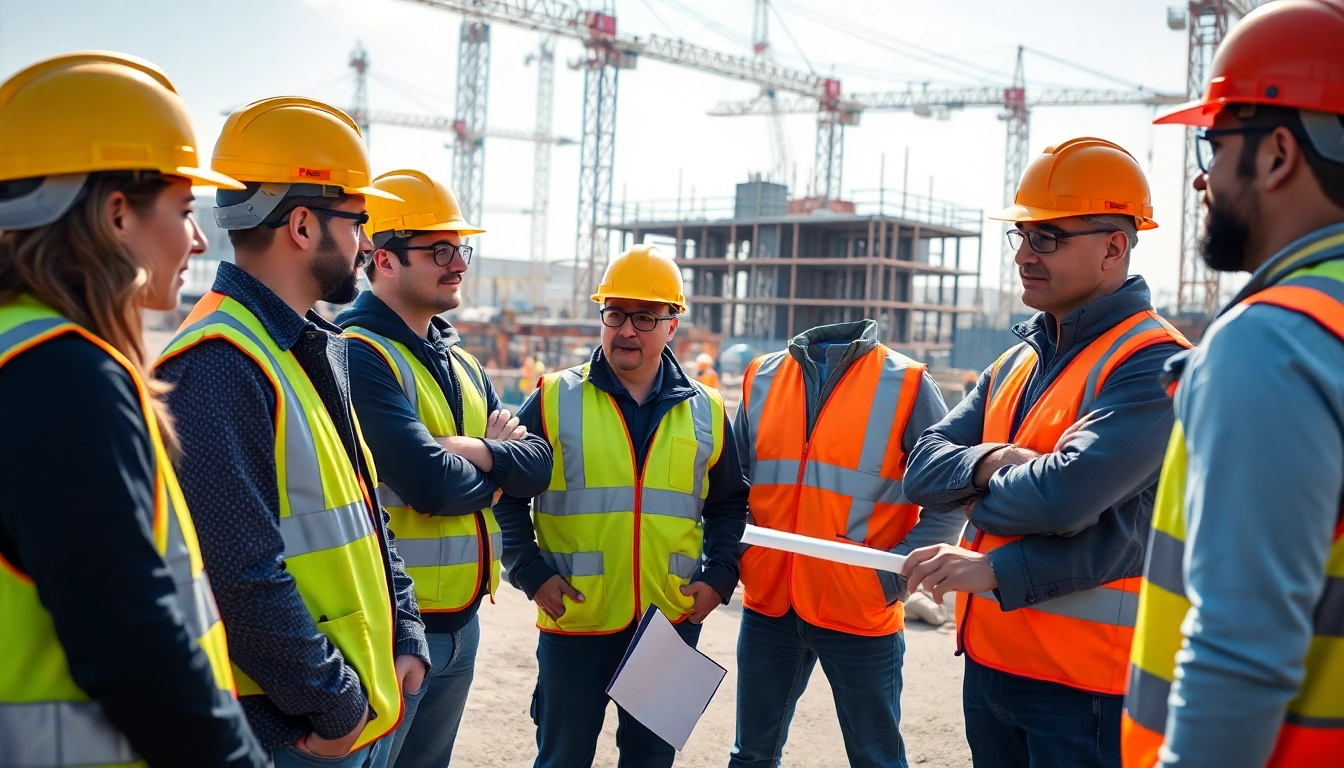
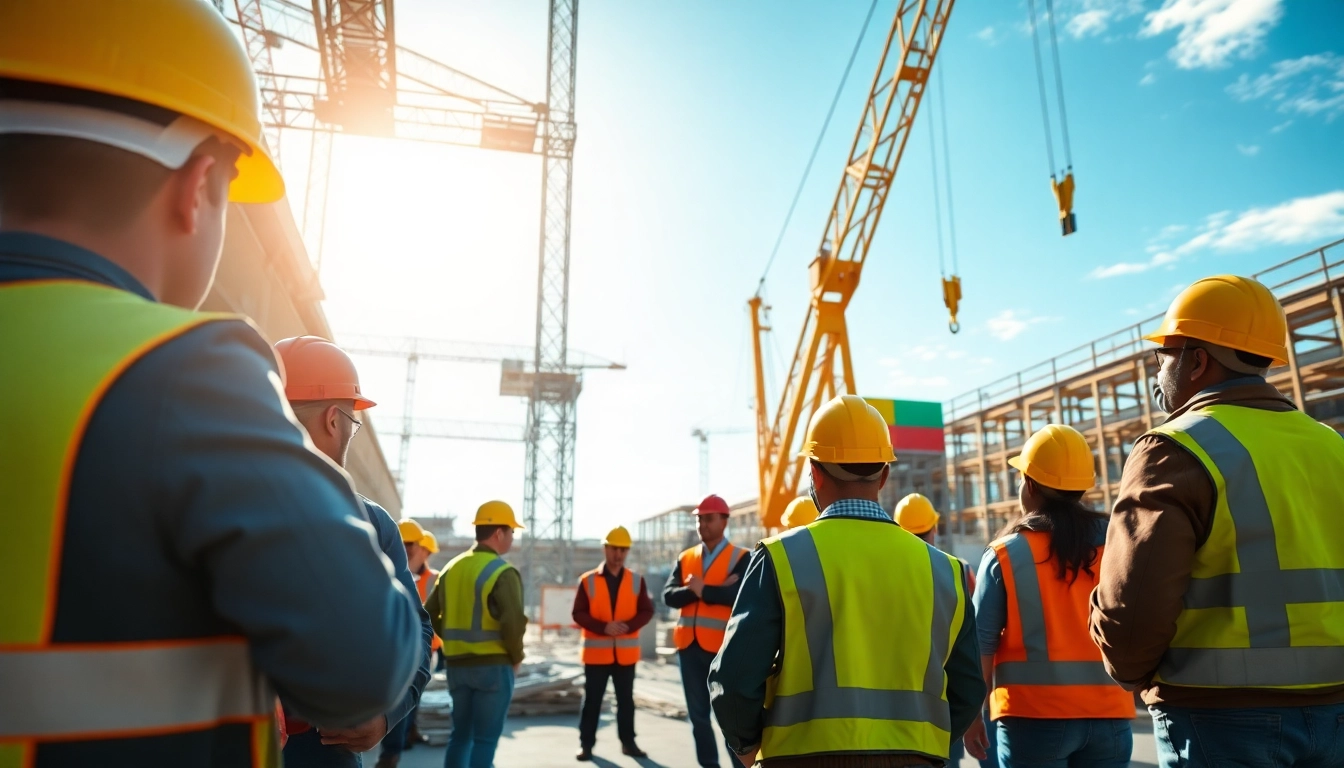
Construction events refer to gatherings, forums, workshops, or trade shows designed to promote networking, knowledge sharing, and collaboration among professionals in the construction industry. These events can focus on a variety of themes, including new technologies, sustainable practices, regulatory updates, or project management strategies. Essentially, they provide a platform for stakeholders to discuss industry trends, showcase innovations, and build professional relationships that can pave the way for future projects.
The Importance of Construction Events
The significance of construction events cannot be overstated. They act as catalysts for innovation by bringing together a diverse group of professionals, including architects, engineers, contractors, and suppliers. These events encourage the exchange of ideas and best practices, helping to advance the industry as a whole. Additionally, construction events serve as valuable networking opportunities, allowing participants to establish connections that can lead to partnerships and new business opportunities. Finally, they often feature educational components, which are essential for keeping the workforce up to date with the latest technologies and regulations.
Types of Construction Events
There are several types of construction events, each catering to different facets of the industry:
- Trade Shows: These are large exhibitions where manufacturers and suppliers showcase new products and services. It’s a valuable opportunity for attendees to see the latest innovations in construction technologies.
- Conferences: These events typically feature keynote speakers, panel discussions, and breakout sessions. They focus on industry trends, challenges, and the future of construction.
- Workshops: Workshops provide hands-on learning experiences, allowing participants to develop specific skills or test new tools and technologies.
- Networking Events: These events are designed specifically for professionals to meet, mingle, and cultivate relationships within the industry.
- Webinars: In the digital age, online events have become increasingly popular, allowing experts to present on key topics remotely.
Planning Successful Construction Events
Setting Clear Objectives
Planning a successful construction event begins with defining clear objectives. These should align with your organization’s goals and could include increasing brand awareness, generating leads, or educating attendees on specific topics. By establishing measurable objectives, you create a roadmap that guides the planning process and helps evaluate the event's success. For example, if your goal is to introduce a new sustainable building product, your event plan should incorporate workshops and demonstrations specifically focused on this theme.
Choosing the Right Venue
The venue you choose can significantly impact the success of your construction event. Factors such as location, capacity, facilities, and accessibility should be carefully considered. A well-located venue can attract more attendees, while a spacious environment can facilitate networking and interaction. Additionally, ensure that the venue supports the technological needs of your event, such as reliable internet access and audio-visual equipment. For large trade shows, consider venues that are specifically designed to accommodate exhibitions.
Scheduling and Timing
Timing is crucial when planning construction events. Choose a date that does not conflict with holidays or other major industry events. Moreover, consider the duration of your event; a multi-day event can provide more value to attendees but may require more resources to organize. Early scheduling can also help secure the best venues and speakers. Utilizing survey tools to gather feedback on preferred dates and times from your target audience can also help ensure higher attendance.
Engagement Strategies for Construction Events
Incorporating Technology
Embracing technology is essential for enhancing attendee engagement at construction events. Utilize event apps that provide schedules, speaker bios, and networking opportunities. Augmented reality (AR) and virtual reality (VR) can also be used to showcase products and projects in more dynamic ways. Live streaming key presentations allows those who cannot attend in person to engage with the content, expanding your event's reach.
Networking Opportunities
Networking is one of the primary reasons attendees participate in construction events. To foster networking, consider scheduling dedicated networking sessions. Provide spaces where attendees can relax and interact, such as lounges or breakout areas. Speed networking formats, where participants rotate and meet multiple individuals in a short time, can keep the energy high and facilitate connections. Additionally, using social media channels to share live updates encourages interaction beyond the event.
Interactive Sessions
Interactive sessions, such as Q&A panels, workshops, and round tables, encourage participation and can lead to richer discussions. Providing opportunities for hands-on learning not only engages attendees but also reinforces key takeaways. Consider integrating case studies or real-world scenarios into these sessions, allowing participants to apply what they learn directly. Polling tools can also be utilized during presentations to gauge audience opinions and make the sessions more dynamic.
Marketing Your Construction Events
Identifying Target Audience
Understanding your target audience is crucial for effective marketing of your construction events. Create detailed profiles to ascertain their demographics, interests, and pain points. Tailor your marketing strategies to resonate with them; for example, if young professionals are a significant audience segment, consider using platforms like LinkedIn or Instagram to reach them. Conducting surveys before and after the event can also provide invaluable insights into future marketing efforts.
Utilizing Social Media
Social media is a powerful tool for promoting construction events. Create dedicated event pages on platforms like Facebook and LinkedIn, and utilize hashtags to increase visibility. Engaging content such as behind-the-scenes posts, speaker spotlights, and attendee testimonials can build excitement. Live updates during the event can also enhance engagement, allowing virtual attendees to feel connected to the action happening at the venue.
Creating Compelling Content
Compelling content is at the heart of successful construction event marketing. Utilize blogs, videos, and infographics to provide valuable information related to your event theme. Feature industry insights, expert interviews, or case studies that highlight what attendees will learn or experience. High-quality content not only attracts attendees but can also establish your organization as a thought leader in the construction space.
Measuring Success of Construction Events
Defining Key Performance Indicators
To determine the success of your event, it's essential to establish Key Performance Indicators (KPIs) at the outset. Common KPIs include attendance numbers, participant engagement levels, and post-event sales conversions. Additionally, consider qualitative metrics, such as attendee satisfaction and feedback. Using a combination of quantitative and qualitative data provides a holistic view of your event's impact.
Post-event Surveys
Conducting post-event surveys is a practical way to gain feedback from attendees regarding their experiences. Surveys can include questions about the quality of the content, the effectiveness of networking opportunities, and overall satisfaction. This feedback is crucial for identifying areas of improvement for future events. Keep surveys concise and clear, offering a mix of multiple-choice questions and open-ended prompts for deeper insights.
Analyzing Feedback and Outcomes
Once survey data has been collected, analyze the feedback to identify trends and patterns. This can include evaluating what topics were most popular, how attendees interacted with each other, and their perceptions of the venue. Post-event data should be used to inform future event planning, ensuring that you are consistently improving the attendee experience and meeting industry needs.
Frequently Asked Questions
What are construction events?
Construction events are gatherings where industry professionals meet to share knowledge, network, and discuss trends in the construction sector.
How can I plan a successful construction event?
To plan a successful construction event, set clear objectives, choose the right venue, and ensure effective marketing and engagement strategies.
What types of attendees should I target for construction events?
Target construction industry professionals, including architects, engineers, contractors, and suppliers, depending on the event's focus.
What role does technology play in construction events?
Technology enhances participation through event apps, live streaming, and interactive tools like AR/VR for showcasing innovations.
How do I measure the success of my event?
Success can be measured using KPIs such as attendance rates, participant engagement, feedback from surveys, and overall satisfaction levels.