Understanding Custom Steel Fabrication
Custom steel fabrication is a critical process that transforms raw steel structures into a wide range of tailored solutions. From construction frameworks to intricate industrial components, the ability to design and manufacture steel elements to precise specifications is vital for many industries. Understanding custom steel fabrication begins with grasping its definition, benefits, and applications, enabling businesses to innovate and optimize their operations.
What is Custom Steel Fabrication?
Custom steel fabrication encompasses the creation of specialized steel products that meet unique design requirements. Unlike off-the-shelf solutions, custom fabrication allows for personalized, bespoke items that cater to specific project needs. This process typically involves several stages, including design, material selection, cutting, welding, and finishing, ensuring that the final product meets not only functional but also aesthetic goals.
Key Benefits of Custom Steel Fabrication
The advantages of opting for custom steel fabrication over standard solutions are manifold:
- Precision Engineering: Custom fabrication ensures that every component is designed accurately according to specifications, leading to better fit and performance.
- Design Flexibility: Engineers and designers can innovate without the limitations imposed by mass-produced items, leading to unique structural solutions.
- Cost Efficiency in the Long Run: Although initial costs may be higher, custom fabrication can reduce waste and unnecessary expenditures through tailored designs.
- Enhanced Durability: Custom solutions often utilize higher-grade materials suitable for specific applications, increasing the lifespan of the components.
- Improved Lead Times: As production processes are optimized for specific projects, custom fabrication can help to avoid delays associated with generic products.
Common Applications in Various Industries
Custom steel fabrication serves a variety of industries, providing essential components for complex projects. Some notable applications include:
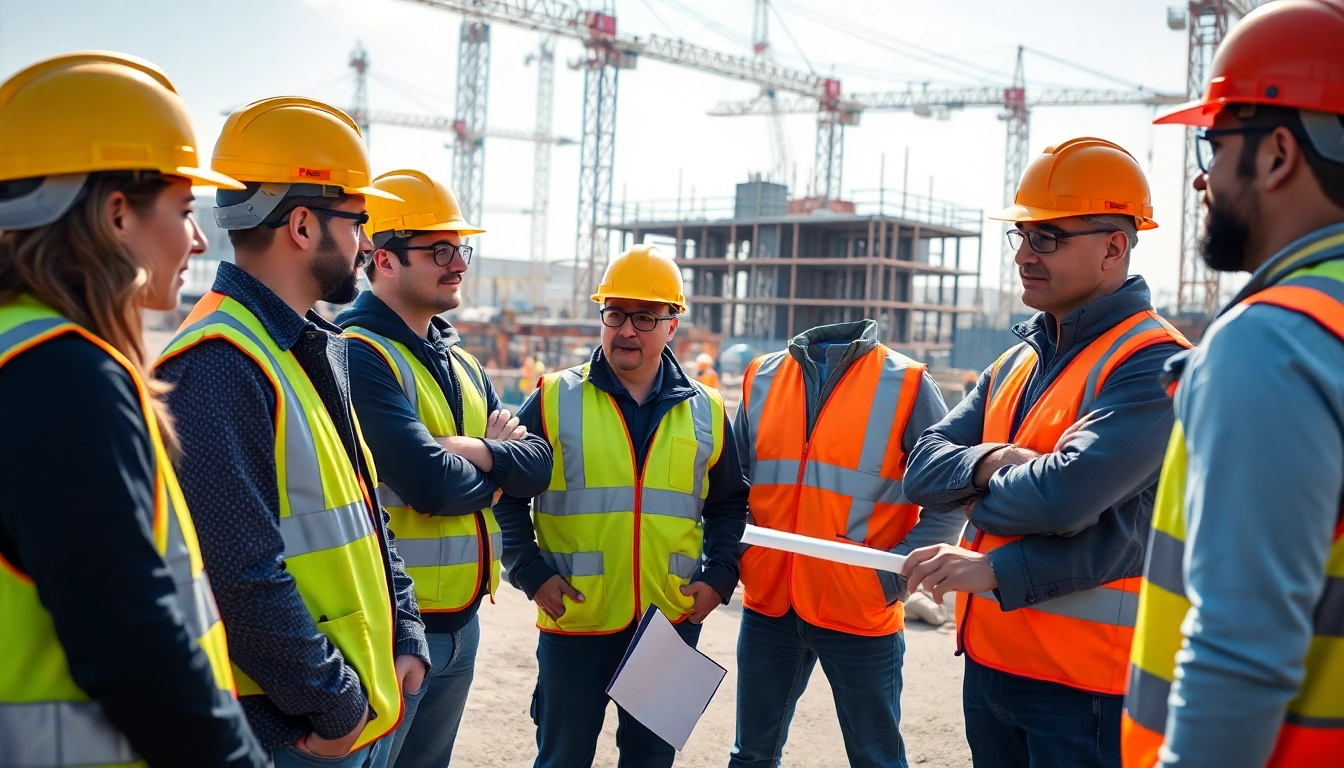
- Construction: Structural steel beams and frames for buildings, bridges, and other infrastructures.
- Aerospace: Fabricated components for aircraft frames and engine mounts, which require precision and high-strength materials.
- Automotive: Custom parts for vehicles that enhance performance and aesthetics.
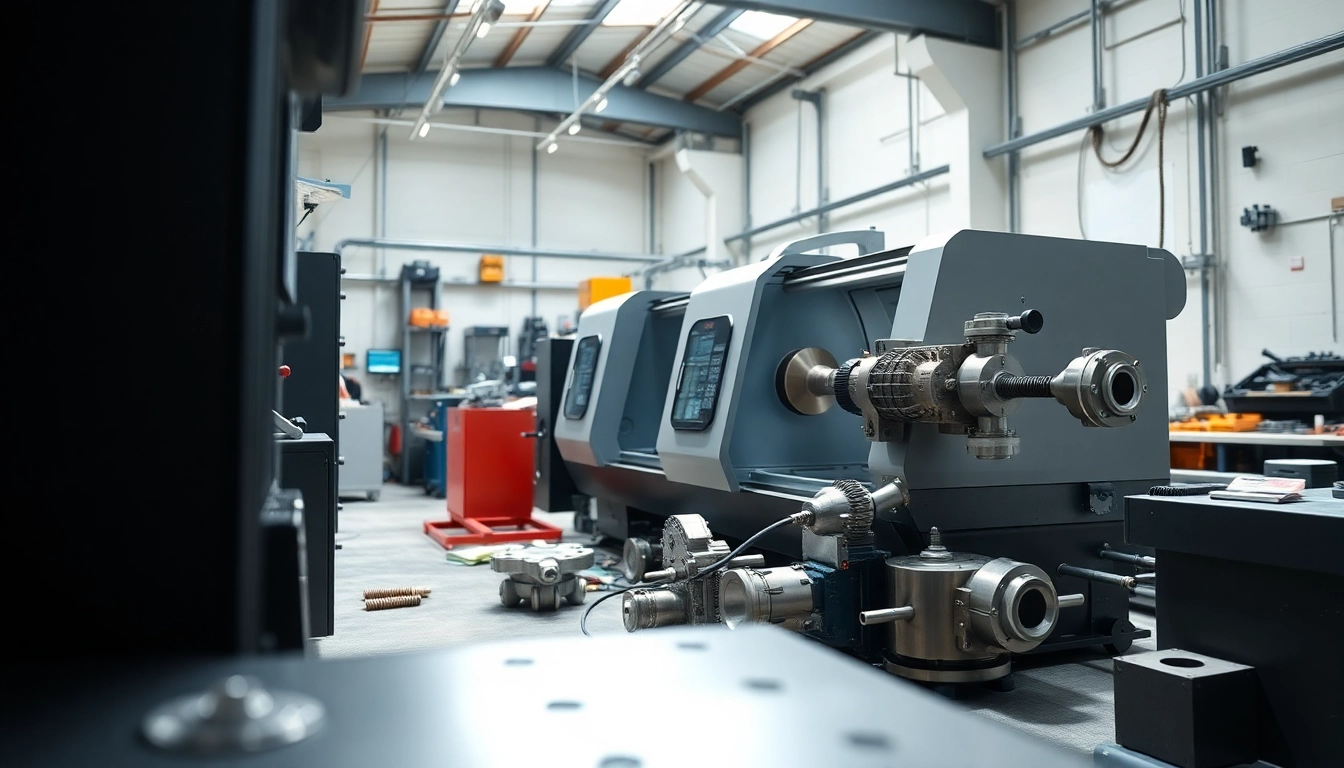
- Manufacturing: Specialized machinery frameworks and fixtures tailored to specific production lines.
- Energy: Custom solutions for power plants, including piping systems and structural support.
Materials Used in Custom Steel Fabrication
Types of Steel for Fabrication
Various steel types are utilized in fabrication processes, each chosen for its distinct properties:
- Carbon Steel: Known for its strength and durability, ideal for structural applications.
- Stainless Steel: Highly resistant to corrosion, suitable for environments that require longevity and hygiene.
- Alloy Steel: Enhanced properties through alloying elements, useful for specialized applications requiring extra toughness.
- Mild Steel: Commonly used for fabrication projects that prioritize malleability and affordability.
Comparison of Metal Materials
Selecting the right material is essential in the fabrication process. A comparative analysis includes:
Material TypeStrengthCorrosion ResistanceCostCarbon SteelHighLowLowStainless SteelModerate to HighVery HighHighAlloy SteelVariesVariesModerateMild SteelModerateLowVery Low
Choosing the Right Material for Your Project
When selecting materials for custom steel fabrication, consider the following factors:
- Application Requirements: Define the purpose of the steel component, including load-bearing capabilities.
- Environmental Factors: Assess exposure to elements like moisture, chemicals, and temperatures.
- Cost Considerations: Evaluate budget constraints while balancing material properties.
- Manufacturing Capability: Ensure that selected materials can be effectively processed using available fabrication techniques.
Processes Involved in Custom Steel Fabrication
Cutting Techniques in Steel Fabrication
Cutting is a fundamental phase of steel fabrication, executing precision dimensions using different techniques:
- Laser Cutting: Provides high precision and is excellent for intricate designs.
- Plasma Cutting: Suitable for thicker materials and provides good speed.
- Waterjet Cutting: Ideal for materials sensitive to heat, delivering smooth edges without thermal distortion.
- Shearing: A fast method used for straight cuts, particularly effective on thinner sheets.
Welding Methods for Custom Structures
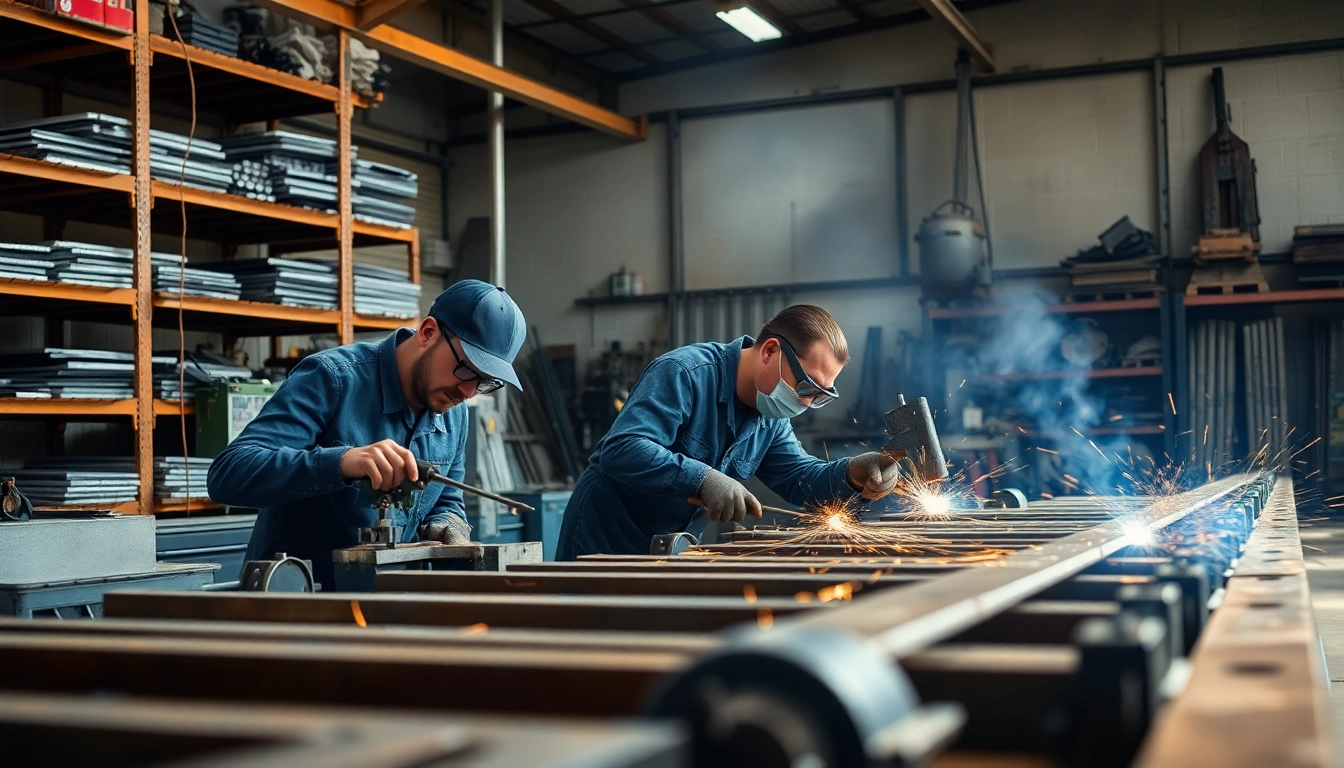
Welding is critical for joining fabricated parts together. Common methods include:
- MIG Welding: Versatile and effective for a variety of materials; excellent for high-speed applications.
- TIG Welding: Provides superior control and quality, particularly for thin materials.
- Stick Welding: A traditional method, ideal for outdoor applications due to its tolerance for wind and contaminants.
- Submerged Arc Welding: Specialized for thicker components, producing high-quality welds.
Finishing Techniques for Quality Assurance
Finishing processes ensure that steel products meet aesthetic and functional standards. Common techniques include:
- Sandblasting: Removed surface imperfections and prepares metal for coating.
- Painting: Adds aesthetic appeal, protects against corrosion, and extends product lifespan.
- Powder Coating: Offers a durable and colorful finish that resists chipping and fading.
- Galvanization: Coating steel with zinc to prevent rust and enhance durability in corrosive environments.
Challenges and Solutions in Custom Steel Fabrication
Common Challenges Faced in Projects
While custom steel fabrication offers significant benefits, it also presents challenges, such as:
- Material Variability: Fluctuations in material quality can affect outcomes.
- Design Changes: Frequent modifications can lead to increased costs and delays.
- Skill Shortages: Shortage of skilled professionals can impact quality and timelines.
- Regulatory Compliance: Navigating complex regulations related to safety and materials can be challenging.
Innovative Solutions to Overcome Obstacles
To address the challenges inherent in custom steel fabrication, innovative solutions can be implemented:
- Advanced Technologies: Incorporating CAD and CAM can streamline design and production processes.
- Ongoing Training: Investing in workforce training ensures a skilled labor pool capable of meeting quality standards.
- Lean Manufacturing: Applying lean principles can reduce waste and improve efficiency.
- Collaborative Design: Involving all stakeholders early in the design process minimizes revisions and enhances outcomes.
Best Practices for Project Management
Effective project management strategies are essential to navigating the complexities of steel fabrication:
- Clear Communication: Establishing open lines of communication among teams promotes collaboration and transparency.
- Detailed Planning: A well-defined project timeline with milestones helps in tracking progress and ensuring accountability.
- Quality Control Measures: Regular inspections and quality checkpoints ensure that products meet specifications at various stages.
- Risk Management: Identifying potential risks early and developing mitigation plans can reduce project disruptions.
Future Trends in Custom Steel Fabrication
Technological Advancements Shaping the Industry
As the landscape of manufacturing evolves, custom steel fabrication is poised to benefit from various technological advancements:
- Automation: Robotics and automated systems are enhancing precision and efficiency.
- 3D Printing: Emerging technologies like metal 3D printing are revolutionizing how components are designed and produced.
- Smart Manufacturing: IoT devices allow for real-time monitoring and adjustments during the fabrication process.
- Data Analytics: Utilizing data to drive decision-making and optimize operations can enhance competitiveness.
Eco-Friendly Practices in Steel Fabrication
The industry is increasingly focusing on sustainability by adopting eco-friendly practices:
- Recycling: Using recycled steel reduces energy consumption and material waste.
- Energy Efficiency: Implementing energy-efficient machinery can lower carbon footprints in the fabrication process.
- Water Conservation: Employing processes that minimize water usage aligns with environmental best practices.
- Green Certifications: Adhering to eco-labeling and green standards will help businesses meet customer demands for sustainability.
Market Trends and What They Mean for You
Understanding current market trends in custom steel fabrication can inform strategic decisions for businesses:
- Customization Demand: ANSI and ISO standards drive customization, pushing the market towards tailored products.
- Globalization: Expanding into international markets leads to increased competition and innovation.
- Skill Development Programs: Greater emphasis on skills training responds to the rising need for specialized labor.
- Investment in R&D: Companies are allocating more resources towards research and development to stay competitive.
FAQs
What is the cost of custom steel fabrication?
Costs vary based on complexity, materials, and design requirements. On average, projects can range from $1,000 to $50,000 or more.
How long does custom fabrication take?
Typical projects may take from a few days to several weeks, depending on design complexity, material availability, and fabrication processes.
Can custom steel fabrication be used for small projects?
Yes, custom steel fabrication works for both small and large projects, tailoring solutions to meet specific client needs and budgets.
What industries commonly use custom steel fabrication?
Industries include construction, manufacturing, automotive, aerospace, and architecture, where precision and durability are essential.
Are there eco-friendly options in custom steel fabrication?
Yes, many fabricators are adopting sustainable practices, using recycled materials and eco-friendly processes to reduce environmental impact.