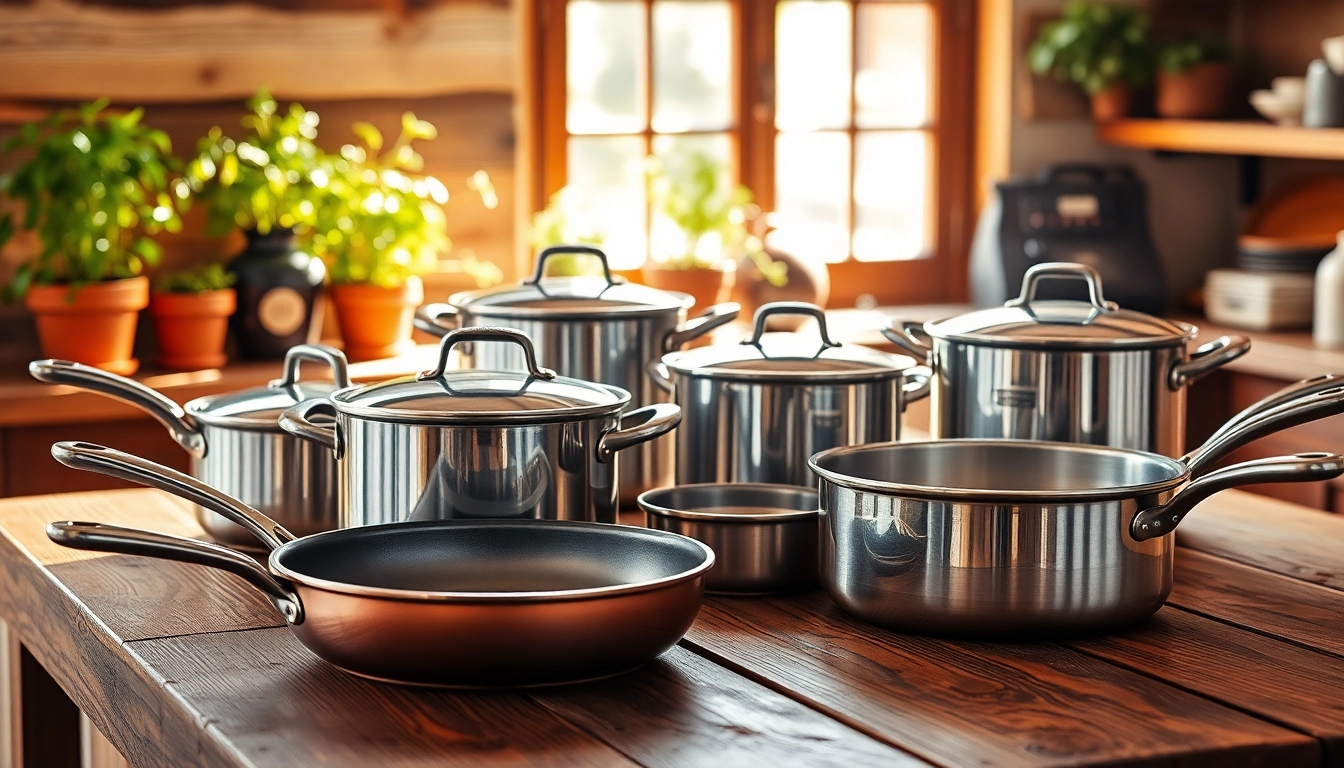
Understanding Different Types of Cookware
When it comes to cookware, understanding the variety of materials and types available is crucial for both seasoned chefs and home cooks. The right cookware can significantly impact cooking efficiency, flavor, and even health outcomes. Each type has its unique benefits, and choosing the correct one can make all the difference in your culinary adventures.
Non-stick Cookware and Its Benefits
Non-stick cookware has revolutionized the way we prepare meals. Its slick surface minimizes the amount of oil needed, allowing for healthier cooking. The primary benefit is that food releases easily from the surface, making it ideal for delicate items like eggs and fish. However, it's essential to use non-metal utensils to avoid scratching the surface, which can lead to the release of potentially harmful chemicals. High-quality non-stick options often utilize ceramic or titanium coatings, which can last longer and are generally safer.
Choosing the Right Material: Stainless Steel vs. Cast Iron
Stainless steel and cast iron are two of the most popular materials for cookware, each with distinct advantages.
- Stainless Steel: Renowned for its durability and resistance to rust and staining, stainless steel cookware is non-reactive, making it perfect for cooking acidic foods. It also provides better heat conduction when layered with aluminum or copper.
- Cast Iron: Known for its excellent heat retention and even cooking, cast iron cookware is ideal for baking and slow cooking. It adds iron to your diet and provides a unique flavor profile, but requires proper seasoning and care to maintain its properties.
Understanding the advantages of each material will help you choose based on your cooking habits and preferences.
Health Considerations with Cookware
Health considerations regarding cookware materials focus on potential leaching of chemicals and the ability to cook without added fats. Non-stick coatings may contain harmful substances if scratched. It's also important to consider how cookware interacts with food; for example, aluminum pots can react with acidic ingredients. Opting for quality, well-reviewed products can mitigate these risks.
Essential Cookware for Every Kitchen
Equipping your kitchen with essential cookware not only enhances your cooking experience but also ensures that you are prepared for various culinary endeavors. Here’s a breakdown of must-have items tailored for every kitchen.
Must-Have Pots and Pans for Home Chefs
Every home kitchen benefits from having a range of pots and pans. Essential items include:
- Skillets: The ultimate workhorses for frying, searing, and sautéing.
- Stockpots: Perfect for soups, stocks, and pasta.
- Sauté Pans: Ideal for cooking sauces and browning ingredients.
- Dutch Ovens: Versatile for both stovetop and oven use, perfect for braising and baking.
Functional Cookware Sets for Small Spaces
For those with limited kitchen space, functional cookware sets are undoubtedly a lifesaver. A well-curated set usually includes a frying pan, a saucepot, and a lid. Compact options are designed to stack without taking too much space, helping to keep your kitchen organized while ensuring you have the essential tools at hand.
Accessorizing Your Cookware: Lids and Utensils
Accessorizing is vital for enhancing your experience with cookware. Lids, especially vented ones, help retain moisture, which is key for many cooking techniques. Using the right utensils — such as spatulas, ladles, and tongs — ensures you don’t damage your cookware while cooking. Also, consider opting for heat-resistant utensils for added durability.
How to Care for Your Cookware
The longevity of your cookware significantly depends on how well you care for it. Appropriate maintenance can preserve performance and appearance over time.
Cleaning Tips for Longevity
Proper cleaning techniques vary based on cookware material:
- Non-stick: Use a soft sponge and mild detergent. Avoid abrasive cleaners that can scratch the surface.
- Stainless Steel: Use vinegar, baking soda, or soap with water, ensuring you dry completely to avoid water spots.
- Cast Iron: Rinse with hot water and scrub with a non-metal brush. Re-oil after cleaning to prevent rust.
Common Mistakes to Avoid When Using Cookware
Avoid common mistakes like using high heat on non-stick pans or neglecting cast iron seasoning. Always refer to care instructions provided with your cookware to maximize its lifespan.
How to Store Cookware Effectively
Storing cookware properly prevents damage. Nest pans when possible, using pan protectors to avoid scratches. Wall-mounted storage can also save space while keeping your cookware accessible.
Innovative Cookware Technologies
Innovations in cookware technology have introduced materials and designs aimed at improving cooking performance and convenience.
Understanding Induction Cookware
Induction cookware is designed for efficiency and speed, utilizing magnetic fields to generate heat directly within the pot or pan. This technology requires specific ferrous metals, which respond to the magnetic field, providing precise cooking control and quick heating times. Ensure your cookware is labeled for induction compatibility before investing.
The Rise of Eco-friendly Cookware Options
Eco-friendly cookware options, including ceramic and sustainably sourced materials, are gaining popularity. These selections are designed without harmful chemicals and often come from renewable resources, fulfilling both cooking and environmental needs.
Smart Cookware: What to Expect
The emergence of smart cookware incorporates technology to enhance the cooking experience. From built-in thermometers to app connectivity for recipe guidance, smart cookware is designed to simplify meal preparation while ensuring optimal cooking results.
Frequently Asked Questions About Cookware
What is the best cookware material for beginners?
For beginners, non-stick cookware is often recommended due to its ease of use and cleaning. Stainless steel can also be a good choice for its durability and non-reactive properties.
How do I prevent cookware from sticking?
To prevent sticking, ensure your cookware is well-heated before adding food. Using sufficient oil or cooking spray can also help create an effective barrier.
What type of cookware is best for induction cooktops?
Cookware made from magnetic materials like stainless steel or cast iron works best on induction cooktops, as these materials respond to the magnetic field generated by the stove.
How can I tell if my cookware is safe?
Look for safety certifications and check for non-toxic coatings. High-quality cookware typically comes with guarantees regarding safety standards and material quality.
Why is cookware maintenance important?
Regular maintenance extends the lifespan of your cookware, ensuring it performs optimally. Proper care can prevent costly replacements and enhance your cooking experience.