
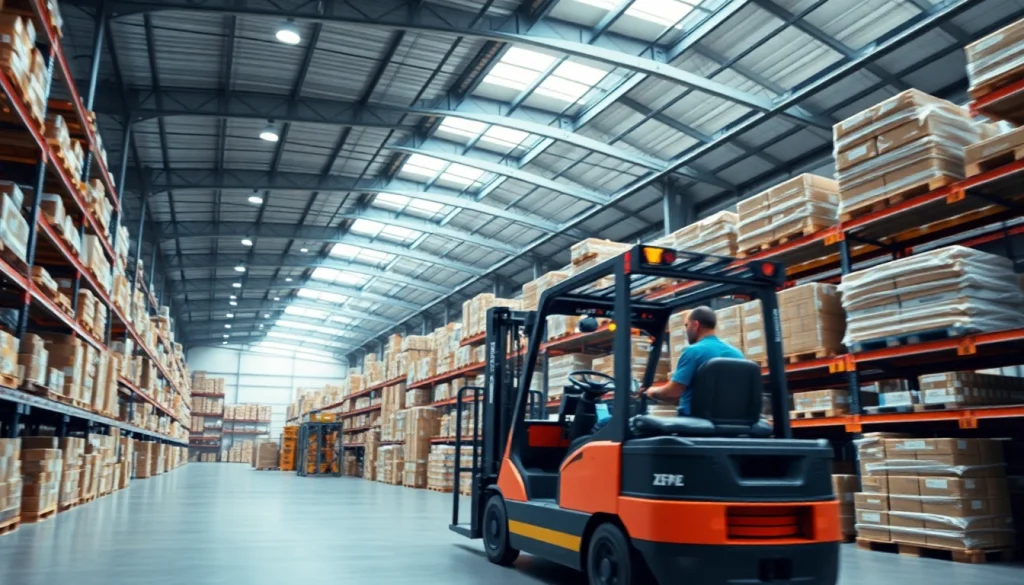

What is a Warehouse?
Definition and Functions of Warehouses
A warehouse is a large building designed primarily for the storage of goods, products, and materials. It serves as a critical node in the supply chain, allowing manufacturers, importers, exporters, wholesalers, and transport businesses to store their inventory until it is ready to be brought to market. Typically located in industrial parks outside urban centers, warehouses play a key role in managing the flow of goods from production to retail distribution.
The main functions of warehouses include:
- Storage: The primary function of a warehouse is to hold stock safely and securely. This includes both finished goods and raw materials.
- Inventory Management: Warehouses enable businesses to track and manage their inventory levels effectively, reducing excess stock and ensuring timely replenishment.
- Order Fulfillment: Warehouses play a pivotal role in picking, packing, and shipping orders to customers, thus facilitating e-commerce and retail.
- Distribution: They function as distribution centers where goods can be dispatched to various locations efficiently.
- Value Addition: Many warehouses provide additional services such as packaging, sorting, and labeling before goods are sent out.
Types of Warehouses in Industry
Warehouses can be categorized based on their purpose and the nature of the goods they store. Key types include:
- Public Warehouses: Owned by third-party companies, they offer storage solutions to multiple clients on a rental basis.
- Private Warehouses: Owned and operated by a company to store its goods exclusively, these are often used by large retailers and manufacturers.
- Distribution Centers: Specialized warehouses that focus on the rapid movement of goods; they are designed to support supply chain operations more than simply storing inventory.
- Cold Storage Warehouses: Essential for perishable goods, these facilities keep items at controlled temperatures to prolong their shelf life.
- Bonded Warehouses: Used for storing imported goods before they are cleared by customs, these warehouses allow companies to defer tax payments.
Understanding Warehouse Layouts and Design
The design and layout of a warehouse directly impact its efficiency and productivity. Essential elements to consider in warehouse design include:
- Flow of Goods: A well-planned layout should ensure a smooth flow of goods from receiving to storage and then to shipping.
- Storage Solutions: Different types of racking systems (e.g., pallet racks, shelving units) can significantly affect storage capacity.
- Safety and Compliance: Ensuring that the design adheres to safety standards and regulations is vital for worker safety.
- Technology Integration: Modern warehouses often incorporate technology such as automated guided vehicles (AGVs) and warehouse management systems (WMS) to streamline operations.
Warehouse Management Systems
Importance of Technology in Warehouse Operations
In today’s fast-paced market, technology has become a cornerstone of warehouse management. An effective warehouse management system (WMS) is essential to optimize operations, manage inventory, and facilitate communication across the supply chain. Key benefits include:
- Increased Accuracy: Automation minimizes human errors in inventory counting and order processing.
- Real-Time Data Monitoring: WMS offers insights into inventory levels and order fulfillment rates, helping businesses make informed decisions quickly.
- Improved Space Utilization: Technology solutions enable better allocation of warehouse space, reducing wasted resources.
- Enhanced Customer Service: Faster order processing times lead to improved satisfaction and loyalty among customers.
Components of an Effective Warehouse Management System
An effective warehouse management system comprises several key components:
- Inventory Management: Tools that help track stock levels, monitor expiration dates, and manage reordering processes.
- Order Management: Features that handle order processing, packing, and shipping logistics.
- Reporting and Analytics: Capability to generate reports for performance assessment and inventory analysis.
- Integration Capabilities: Ability to connect with other enterprise software systems such as ERP for seamless data sharing.
How to Choose the Right Warehouse Management Software
Selecting the right warehouse management software involves several considerations:
- Scalability: Ensure the software can adapt as your business grows and changes.
- User-Friendly Interface: A system with intuitive navigation will reduce the training time required for staff.
- Customization: The ability to tailor the software to meet specific operational needs is essential for maximizing efficiency.
- Customer Support: Reliable technical support is crucial for resolving any potential issues.
Best Practices for Warehouse Efficiency
Strategies for Optimal Inventory Management
Effective inventory management is indispensable for warehouse efficiency. Implementing practices such as:
- ABC Analysis: Prioritize inventory by classifying items into three categories (A, B, C) based on their value and movement frequency.
- Cycle Counting: Regular inventory audits, or cycle counting, help maintain accurate inventory records without halting operations.
- Just-In-Time (JIT) Inventory: Adopt JIT practices to minimize inventory holding costs while ensuring product availability.
Improving Warehouse Safety Standards
Safety should always be a priority in warehouse operations. Implementing the following measures can significantly enhance safety standards:
- Regular Safety Training: Ensure all employees receive ongoing training to understand safety protocols and proper equipment usage.
- Use of Personal Protective Equipment (PPE): Mandatory use of safety gear minimizes injury risks during lifting and handling.
- Clear Signage: Use well-placed signage to communicate hazards and guide employees through the facility.
Streamlining Warehouse Processes for Better Productivity
Improving productivity in warehouse operations can be achieved through:
- Automating Processes: Incorporating automated technologies like conveyor belts and robotics can streamline operations and reduce manual labor.
- Process Evaluation: Regularly reviewing workflow processes to identify bottlenecks can lead to significant efficiency improvements.
- Collaboration and Communication: Encouraging open communication among team members enhances collaboration and problem-solving.
Common Challenges in Warehouse Operations
Addressing Space Limitations in Warehouses
Space constraints can severely limit warehouse operations. Addressing these can involve:
- Vertical Storage Solutions: Using tall shelving and racks can maximize the use of vertical space, allowing for more goods to be stored.
- Cross-Docking: Implementing cross-docking strategies can minimize storage needs by directly transferring products from receiving to shipping areas.
- Regular Space Audits: Conducting audits to understand space usage and reorganizing layouts can optimize storage efficiency.
Labor Management and Staffing Issues
Finding and managing labor effectively in a warehouse can be challenging. To mitigate these issues, consider:
- Workforce Planning: Forecast staffing needs based on inventory levels and seasonal demand to ensure adequate staffing without overstaffing.
- Incentive Programs: Implementing reward programs for productivity can motivate employees and reduce turnover.
- Comprehensive Training: Providing initial and ongoing training ensures that all employees are equipped with the necessary skills for their roles.
Dealing with Supply Chain Disruptions
Supply chain disruptions can greatly affect warehouse operations. Strategies to manage these disruptions include:
- Diverse Supplier Networks: Establish relationships with multiple suppliers to mitigate risk if one supplier fails.
- Buffer Stock: Maintaining safety stock can protect against short-term supply chain hiccups.
- Flexibility in Operations: Creating adaptable processes that can quickly respond to changes allows for easier management of disruptions.
Future Trends in Warehouse Management
Adopting Automation and Robotics in Warehousing
The future of warehouse operations will see increased reliance on automation and robotics. Key trends include:
- Robotic Process Automation (RPA): Using robots for picking and packing tasks can greatly increase efficiency while reducing operational costs.
- Automated Inventory Tracking: Drones and autonomous vehicles for inventory checks and transport can enhance monitoring efficiency.
- Integration of AI: Artificial Intelligence can analyze data to optimize logistics and predict inventory needs better.
Biodiversity and Sustainable Practices in Warehousing
As sustainability becomes more essential, warehouses are adopting green practices, such as:
- Energy-Efficient Design: New warehouses are being designed to maximize natural light and utilize energy-efficient technologies.
- Warehouse Recycling Programs: Implementing recycling initiatives for packaging and other materials helps reduce waste.
- Eco-Friendly Packaging: Opting for sustainable packaging solutions minimizes environmental impact.
Leveraging Data Analytics for Warehouse Optimization
Data analytics is pivotal for continuous improvement in warehouse operations. Organizations are utilizing analytics to:
- Predictive Analytics: Analyzing historical data helps forecast trends and manage inventory needs proactively.
- Performance Metrics: Using KPIs to measure efficiency, such as order cycle time and inventory turnover, can identify areas for improvement.
- Real-Time Decision Making: Leveraging data can enhance decision-making processes and speed up response to market changes.