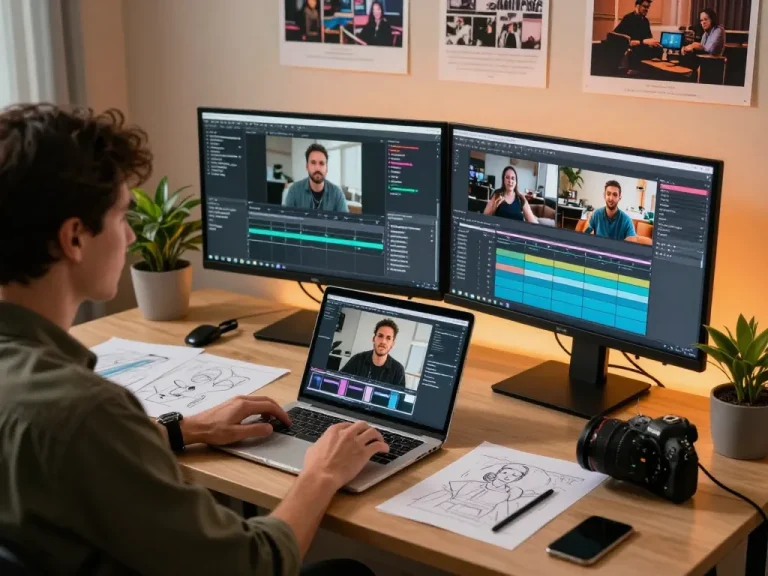

Understanding the Role of a Creative Video Production Agency
In an era where visual content reigns supreme, a Creative Video Production Agency plays a pivotal role in shaping the narrative of brands across diverse sectors. These agencies help businesses translate their vision into compelling visual stories that resonate with their target audience. By utilizing creative storytelling, advanced technology, and industry expertise, they craft videos that not only capture attention but also drive engagement and conversion.
What Is a Creative Video Production Agency?
A Creative Video Production Agency is a collaborative team of professionals skilled in various aspects of video creation, from conceptualization to distribution. These agencies undertake multiple video-related tasks, including strategy development, filming, editing, and delivering the final product tailored to a client’s specific needs. Unlike traditional production companies that may focus solely on the technical aspects of video production, creative agencies emphasize storytelling and brand messaging, bringing a unique perspective to their projects.
Core Services Offered by Creative Video Production Agencies
Creative Video Production Agencies offer a wide array of services designed to cater to the diverse needs of their clients. Some of the core services include:
- Concept Development: Agencies help brainstorm ideas and develop compelling narratives that align with the client’s brand message.
- Scripting: Crafting scripts that effectively convey the intended story while engaging the audience is crucial. Agencies often collaborate with marketing teams to ensure brand consistency.
- Filming: This includes pre-production planning, location scouting, and the actual shooting. Agencies leverage high-quality equipment and skilled technicians to capture stunning visuals.
- Editing: Post-production work involves refining the raw footage, incorporating visual effects, sound design, and music, ensuring a polished final piece that stands out.
- Distribution Strategy: A comprehensive approach to distributing the video content across platforms is necessary. Agencies assist clients in identifying the right channels to maximize reach and engagement.
- Performance Analytics: Measuring the video’s performance through metrics such as views, shares, and engagement levels helps agencies refine future projects.
Benefits of Partnering with a Creative Video Production Agency
Collaborating with a Creative Video Production Agency offers numerous advantages for businesses looking to enhance their visual content strategy:
- Expertise: Agencies possess deep industry knowledge and experience, enabling them to produce high-quality videos that resonate with audiences.
- Time-Saving: Outsourcing video production allows businesses to focus on their core operations while leaving the complexities of video creation to specialists.
- Access to Cutting-Edge Technology: Agencies invest in state-of-the-art equipment and software, ensuring the final product meets current industry standards.
- Creative Insights: The collaborative nature of these agencies fosters creativity, often resulting in innovative ideas that clients may not have considered.
- Brand Consistency: With a clear understanding of branding principles, agencies ensure that all produced content aligns with the client’s overall marketing strategy.
Key Elements of Successful Video Production
Essential Planning and Pre-Production Strategies
Successful video production begins long before the camera starts rolling. Effective planning and pre-production strategies play a crucial role in the success of the final product. Key steps in this phase include:
- Identifying Goals: Clearly defining the purpose of the video helps shape the entire production process. Whether it’s raising brand awareness, promoting a product, or educating an audience, understanding the objectives is foundational.
- Defining Target Audience: Knowing who the video is for guides the tone, style, and content of the video. A well-defined audience helps tailor the messaging to resonate effectively.
- Budgeting: Establishing a budget early on ensures that resources are allocated efficiently throughout the production process. Recognizing the financial boundaries helps prevent overspending.
- Script Development: A well-crafted script serves as the roadmap for the production, guiding the narrative flow and ensuring the messaging aligns with the overarching goals.
- Storyboarding: Visualizing the video through storyboards allows for a clear representation of how scenes will look, helping streamline the actual filming process.
Capturing Quality Footage: Tips and Techniques
The quality of footage significantly impacts the effectiveness of a video. Below are essential tips and techniques for capturing stunning visuals:
- Lighting: Good lighting enhances video quality. Utilizing natural light whenever possible or employing softbox lights can create a professional look.
- Camera Setup: Understanding camera settings, such as frame rate and resolution, is essential for achieving the desired quality. Investing in quality cameras and lenses can also make a substantial difference.
- Sound Quality: Employing external microphones enhances audio clarity, ensuring that dialogue and sound effects contribute positively to the viewing experience.
- Framing and Composition: Using techniques like the rule of thirds can help create visually appealing shots. This involves placing the subject off-center to create balance within the frame.
- B-Roll Footage: Capturing supplemental footage helps enrich the main narrative, providing context and visual variety in the final edit.
The Importance of Editing in the Production Process
Editing is where the final product truly comes to life. A well-edited video can significantly enhance the storytelling experience. Key aspects of editing include:
- Pacing: Maintaining the right pace keeps the audience engaged. Editors must know when to cut scenes and how to alter the timing of shots to create emotional impact.
- Visual Effects and Transitions: Incorporating visual effects, text overlays, and smooth transitions adds a level of professionalism to the final video.
- Sound Design: The soundscape should complement the visuals, and the careful selection of background music, voiceovers, and sound effects is essential to creating an immersive experience.
- Color Grading: This process enhances the visual aesthetics by adjusting colors to ensure consistency and convey the intended mood.
- Feedback and Revisions: Engaging the client for feedback during the editing phase allows for adjustments and ensures that the final product aligns with their vision.
Choosing the Right Creative Video Production Agency
Factors to Consider When Selecting an Agency
Choosing the right Creative Video Production Agency is crucial for the success of your project. Here are essential factors to consider:
- Experience: Evaluating the agency’s experience in your specific industry can provide insights into their understanding of target audiences and effective messaging.
- Portfolio Quality: Reviewing past works allows you to assess the quality of their productions and determine if their creative style aligns with your vision.
- Client Testimonials: Feedback from previous clients can give an indication of the agency’s reliability, professionalism, and ability to deliver results.
- Service Range: Ensuring the agency offers comprehensive services—from concept to delivery—can streamline the production process and enhance coordination.
- Communication: Efficient communication is vital for a successful partnership. Choose an agency that listens to your objectives and keeps you informed throughout the process.
Evaluating Portfolios and Past Work
A portfolio provides a window into an agency’s capabilities. When evaluating portfolios, consider the following aspects:
- Variety of Projects: Look for agencies that have successfully handled diverse projects—this indicates a broader skill set.
- Creativity: Assess the storytelling techniques and creativity presented in their past works. Are they innovative in their approach?
- Production Value: High-quality production elements (lighting, sound, editing) should be evident. Well-produced videos reflect the agency’s professionalism.
- Results Achieved: If available, inquire about the results those videos achieved post-release. Metrics such as increased engagement or conversions can highlight effectiveness.
- Style Consistency: Agencies should maintain a consistent style appropriate for various brands, which showcases their versatility while aligning with brand identity.
How to Align Your Vision with Their Expertise
Aligning your vision with the agency’s expertise is key for a successful collaboration. Here are strategies to ensure this alignment:
- Clear Communication: Clearly articulate your goals, expectations, and any ideas you may have for the video. This helps the agency understand your vision from the outset.
- Share Reference Materials: Providing examples of videos that resonate with your desired style aids in establishing creative direction. Reference materials can help bridge the gap between concepts and reality.
- Establish Milestones: Setting realistic timelines and milestones allows both parties to stay aligned throughout the production process, ensuring that your vision is integrated at every stage.
- Open Feedback Loop: Maintain an open line of communication for feedback during pre-production and editing phases, allowing for adjustments in real-time.
- Collaborative Spirit: Embrace collaboration by being open to the agency’s creative suggestions, blending your vision with their expertise for optimal results.
Measuring Success: Metrics for Video Production Campaigns
Key Performance Indicators for Video Projects
Measuring the success of a video campaign involves using specific Key Performance Indicators (KPIs) that provide insights into its effectiveness:
- View Count: A higher view count indicates that the video is reaching a larger audience, essential for brand visibility.
- Engagement Rate: Metrics such as likes, comments, and shares measure audience interaction, reflecting the video’s resonance with viewers.
- Click-Through Rate (CTR): For videos designed to drive traffic, CTR indicates how many viewers followed through on calls-to-action.
- Conversion Rate: Measuring how many viewers took the desired action (e.g., signing up, purchasing) provides a direct link to the video’s effectiveness in achieving business objectives.
- Audience Retention Rate: This metric demonstrates how well the video maintains viewer interest; high retention often correlates with engaging content.
Understanding Audience Engagement and Feedback
Understanding audience feedback is crucial in refining video strategies. Strategies to gather and analyze this feedback include:
- Surveys and Polls: Conducting post-viewing surveys helps gauge audience opinions and preferences, providing valuable insights for future projects.
- Social Media Monitoring: Engage in social listening to track how audiences discuss and react to your videos on social platforms, revealing real-time insights.
- Comments Analysis: Analyzing comments and discussions around the video helps identify audience sentiments and potential areas of improvement.
- Review Analytics: Utilizing video analytics tools can provide in-depth insights into viewer behavior, preferences, and engagement patterns.
- A/B Testing: Experimenting with different video styles or placements allows you to compare performance and determine what resonates best with the target audience.
Adjusting Strategies Based on Collected Data
Using collected data to adjust strategies is essential for continual improvement. Here’s how to leverage insights effectively:
- Identify Trends: Look for patterns in the data that highlight what type of content works best, adapting your strategy accordingly.
- Iterative Improvements: Use insights to make iterative changes to video content, ensuring future productions are informed by past performances.
- Audience Retargeting: Utilize insights to create targeted campaigns that re-engage viewers who showed interest but didn’t convert.
- Optimize Distribution Channels: Determine which platforms lead to higher engagement and shift focus to those channels for distribution.
- Regular Reporting: Establish regular reviews of performance metrics, ensuring that adjustments are made systematically and strategically.
The Future of Creative Video Production
Emerging Trends Shaping the Industry
As the video production landscape evolves, several emerging trends are shaping the industry. Notable trends include:
- Live Streaming: The growth of live video enables brands to engage audiences in real-time, fostering authentic interactions and community building.
- 360-Degree Videos: This immersive format enhances storytelling, allowing viewers to engage with content in a multi-dimensional way.
- Video Marketing on Social Media: Short-form video content tailored for platforms like TikTok and Instagram is increasing in popularity, requiring adaptability in production strategies.
- User-Generated Content: Encouraging users to create content fosters authentic engagement and strengthens community bonds around a brand.
- Sustainability Practices: As awareness of sustainability grows, eco-friendly production practices are becoming more prominent, aligning brand values with audience expectations.
The Role of Technology in Creative Video Production
Technology plays a crucial role in enhancing the production process. Notable advancements that have impacted the industry include:
- AI and Automation: AI tools streamline editing processes, enabling faster turnaround times and improved efficiency in producing high-quality videos.
- Drones: Drones provide unique aerial shots that add depth and intrigue to video content, elevating production values without significant cost increases.
- Virtual Reality (VR): VR technologies enable immersive experiences that captivate audiences, making storytelling more engaging and memorable.
- Cloud-Based Collaboration: Cloud platforms facilitate seamless collaboration among teams, improving project management and communication throughout the production process.
- Advanced Editing Software: Innovations in editing programs offer powerful tools for video creators, allowing for complex animations, effects, and graphics integration.
Preparing for Future Challenges in Video Marketing
As the video production landscape continues to evolve, so do the challenges faced by agencies and brands. Strategies to prepare for future challenges include:
- Continuous Learning: Staying updated on industry trends and technological advancements ensures that production teams remain competitive and capable of delivering cutting-edge content.
- Flexibility: Being adaptable to changes in audience preferences and distribution platforms allows agencies to pivot their strategies as needed.
- Data-Driven Decisions: Utilizing analytics and audience insights enables informed decision-making, helping to anticipate shifts in viewer behavior.
- Strong Partnerships: Nurturing relationships with clients and collaborators fosters a collaborative environment, enhancing creativity and innovation.
- Budget Management: Maintaining a transparent budgeting process helps manage expectations and ensures resources are allocated effectively to meet evolving production demands.