
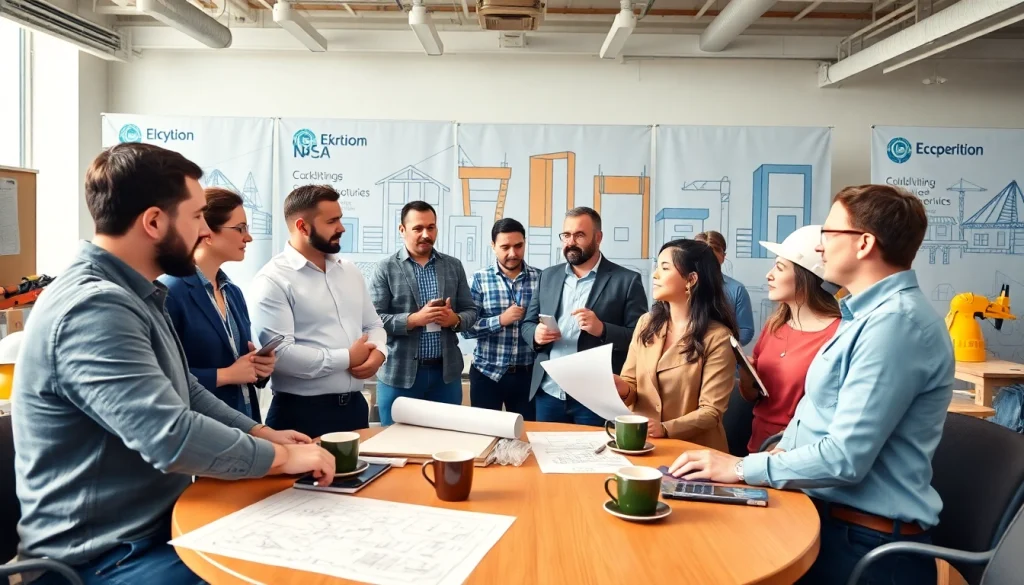
Understanding the Importance of Construction Networking Events
In the competitive world of construction, establishing strong relationships and facilitating connections is essential for success. Networking events serve as pivotal platforms where professionals can meet, share knowledge, and explore potential collaborations. These construction networking events empower individuals to forge meaningful connections that can advance their careers and enhance their businesses.
Benefits of Networking for Construction Professionals
Networking is more than just exchanging business cards; it is about building long-term relationships that can lead to future opportunities. Here are some benefits that construction professionals can gain from effective networking:
- Knowledge Sharing: Attending industry events allows professionals to stay updated on the latest trends, technologies, and best practices in construction.
- Referrals and Recommendations: A strong network can lead to referrals, which are vital for business growth—a recommendation from a trusted source holds immense value.
- Partnership Opportunities: Networking can help find potential partners for projects, leading to collaborative ventures that benefit all parties involved.
- Career Advancement: Meeting industry leaders can open doors to new job opportunities or promotions within one’s current organization.
How Networking Drives Business Growth
Effective networking enables construction professionals to grow their businesses by fostering essential connections. Building a robust network can lead to:
- Increased Visibility: Exposure to a wider audience can attract new clients and projects.
- Business Development: By meeting potential clients and collaborators, businesses can expand their service offerings.
- Enhanced Trust: Consistent face-to-face interactions build trust—essential in the construction industry where partnerships are vital.
Common Misconceptions About Networking
Despite its benefits, there are misconceptions surrounding networking that can hinder professionals from engaging. Addressing these misunderstandings can change the way individuals approach networking:
- Networking is Only for Sales: Many believe networking only benefits sales professionals, yet all roles from project managers to architects can gain value.
- It’s Just Socializing: Networking is targeted and strategic; it requires planning and follow-up, not just chatting.
- Only Large Events Matter: Smaller gatherings often lead to deeper connections; quality over quantity is crucial.
Types of Construction Networking Events
Construction networking events come in various forms, each offering unique opportunities for engagement. Understanding these different types can help professionals choose the right events to attend.
Conferences and Trade Shows in Construction
Conferences and trade shows are among the largest assembly points for construction professionals. They provide platforms for:
- Learning from Experts: These events often feature keynote speakers, workshops, and panels led by industry experts.
- Exploring Innovations: Exhibitors showcase cutting-edge technologies and services, allowing attendees to discover new solutions applicable to their projects.
- Networking Opportunities: The sheer number of attendees means a diverse pool of connections; not only can you meet peers, but also suppliers and potential clients.
Local Meetups and Workshops
Local meetups offer a more intimate setting for professionals looking to expand their network. These gatherings facilitate:
- Regional Insights: Local events often focus on specific market challenges, allowing professionals to share solutions and strategies.
- Relationship Building: The smaller scale fosters deep, actionable conversations and lasting relationships.
- Skill Development: Workshops provide hands-on learning experiences and networking around common interests.
Virtual Networking Opportunities
With the rise of digital events, virtual networking opportunities have become increasingly popular. These events offer unique advantages:
- Accessibility: Virtual events break geographic barriers, enabling professionals from different regions to connect.
- Flexible Scheduling: Many virtual events provide recordings, allowing attendees to participate at their convenience.
- Lower Costs: Online events often have reduced or no registration fees, making them more accessible.
How to Prepare for Construction Networking Events
Preparation is critical for making the most out of networking events. Here are key steps professionals should take to ensure they are ready to engage:
Setting Clear Networking Goals
Before attending an event, outline clear networking goals. Knowing what you want to achieve can lead to more productive interactions. Consider:
- What type of connections do you envision?
- Are you seeking clients, partners, or merely looking to expand your knowledge?
- What skills or information do you hope to gain from conversations?
Creating Effective Elevator Pitches
Your elevator pitch is your introduction and should succinctly convey your background and what you offer. A compelling elevator pitch includes:
- Your name and role
- Brief overview of your experience
- A unique aspect of your service or product
Practicing various pitches can help you adapt and engage based on your audience’s interests.
What to Bring to Networking Events
Arriving prepared can impact your networking effectiveness. Make sure to bring:
- Business Cards: Ensure your cards are updated and professional.
- Notebook or Digital Device: Take notes during conversations for follow-up discussions.
- Personal Branding Materials: Consider promotional items that reflect your brand and leave a lasting impression.
Best Practices for Engaging at Construction Networking Events
Effectively engaging at events can lead to meaningful connections. Here are best practices to ensure productive networking:
Building Authentic Connections
Authenticity is key to successful networking. Strategies to foster genuine connections include:
- Active Listening: Show interest in others’ stories, challenges, and insights.
- Follow Up: Send a follow-up message post-event to renew the connection.
- Be Yourself: Authenticity attracts others; be genuine in your interactions.
Following Up After Networking Events
Following up after an event is critical for sustaining the connections you’ve made. Consider the following:
- Send a personalized email highlighting a topic you discussed.
- LinkedIn connections can enhance professional visibility.
- Propose a future meeting or collaboration.
Leveraging Social Media for Networking
Social media can significantly amplify your networking efforts. Use these tactics:
- Engage in Relevant Groups: Join industry-related groups and participate in discussions.
- Share Insights: Post content that reflects your expertise; it positions you as a thought leader.
- Connect with Event Attendees: Look for and connect with people you met at events.
Evaluating Success in Networking Efforts
To understand the impact of your networking, it’s important to evaluate your success. Here are ways to measure and adapt your strategies:
Metrics to Measure Networking Impact
Consider these metrics to assess your networking effectiveness:
- Number of Connections: Track how many new relationships you establish at each event.
- Follow-Up Engagement: Measure responses from individuals you reached out to after the event.
- Business Outcomes: Assess whether any new projects or collaborations emerged from your efforts.
Adapting Strategies for Future Events
Lessons learned from each event can help refine your approach for the future. Review feedback and outcomes to adjust your networking strategies as necessary:
- What worked well, and what didn’t?
- Were your goals achieved?
- What can you do differently next time?
Success Stories from Effective Networking
Finally, consider the numerous success stories that illustrate the power of effective networking. From collaborations that resulted in major projects to professionals who found mentors, the potential outcomes of engaging in networking are vast. Real-life examples can serve as motivation and provide insight into what’s possible through intentional networking. Hear from those who have integrated networking into their professional journeys, illustrating that success is not just about what you know, but who you know.
FAQs About Construction Networking Events
What are construction networking events?
Construction networking events are gatherings where industry professionals connect to build relationships, share insights, and explore business opportunities.
Why should I attend construction networking events?
Attending these events can enhance opportunities for referrals, partnerships, and staying updated on industry trends and innovations.
How do I prepare for a construction networking event?
Set clear goals, create an elevator pitch, and pack essential materials like business cards and a notebook to maximize your engagement.
What types of networking events are available in construction?
Networking formats include conferences, local meetups, workshops, and virtual events, each serving distinct purposes and audiences.
How can I follow up after a networking event?
Send personalized messages highlighting shared conversations, connect on LinkedIn, and suggest future meetings to keep the momentum going.