
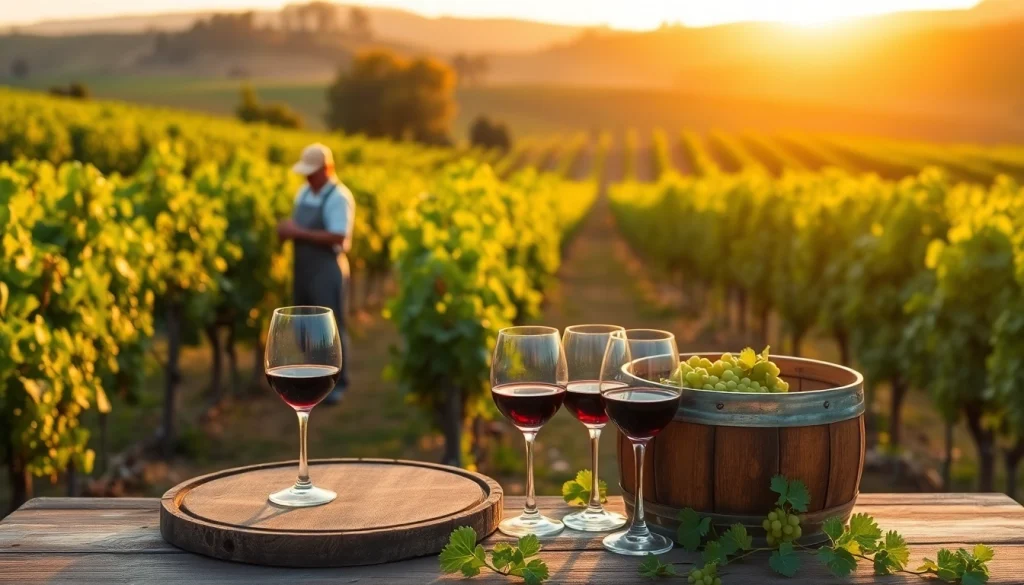

Understanding Clarksburg Wines
What are Clarksburg Wines?
Clarksburg wines originate from the Clarksburg region in California, known for its unique terroir and favorable climate. Encompassed by the Sacramento River and rich alluvial soils, the area offers an ideal environment for viticulture. The wines produced here are celebrated for their distinctive character, offering a range of varietals that embody the essence of the region. For enthusiasts, discovering Clarksburg wines can be a delightful journey, unveiling both local history and modern winemaking craftsmanship.
The Terroir of Clarksburg
The concept of terroir, a French term that encompasses the geography, geology, and climate of a specific area, is vital to understanding Clarksburg wines. The region benefits from a unique combination of factors: the proximity to the Delta, the cooling influence of maritime winds, and the fertile soils stemming from ancient riverbeds. These elements contribute to vibrant grapes, marked by balanced acidity and aromatic complexity. Additionally, the Mediterranean climate allows for a long growing season, giving fruit ample time to develop optimal flavors.
Varietals Grown in the Region
Clarksburg is home to a variety of grape types, with the most prominent being Chenin Blanc, Sauvignon Blanc, and Viognier for whites, alongside Zinfandel, Cabernet Sauvignon, and Merlot for reds. Each varietal embodies different aspects of the terroir, showcasing everything from fruit-forward characteristics to mineral undertones. For instance, the Chenin Blanc produced here is renowned for its crispness and refreshing notes, often highlighted by hints of ripe apple and pear. Meanwhile, the reds shine with deeper tannins and a robust profile, making them perfect for both casual sipping and pairing with hearty meals.
Pairing Clarksburg Wines with Food
Best Dishes to Complement Clarksburg Wines
When it comes to pairing Clarksburg wines with food, the possibilities are endless. The white varietals, such as Chenin Blanc and Sauvignon Blanc, pair splendidly with seafood dishes like grilled salmon, shrimp scampi, and light salads featuring citrus dressings. Their bright acidity complements the flavors without overwhelming them. On the other hand, the region’s red wines, especially the Zinfandel and Cabernet Sauvignon, are excellent with richly flavored meats like barbecued ribs, lamb, or grilled steaks. The depth of these wines enhances the savory notes of charred or spicy dishes, creating a harmonious dining experience.
Creating a Memorable Wine and Food Experience
To elevate your wine and food pairing experience, consider the principles of balance and contrast. The key is not just to match flavors, but also to consider textures and aromas. For instance, a creamy Chardonnay can work beautifully with a rich, buttery lobster dish, while a peppery Syrah can find a perfect partner in spiced roasted vegetables. Don’t shy away from experimenting; the goal is to find combinations that surprise and delight your taste buds. Organizing a wine tasting dinner can also be an engaging way to explore these pairings with friends or family.
Seasonal Pairing Suggestions
Seasonal ingredients can enhance the synergy between Clarksburg wines and food. In spring, try pairing Sauvignon Blanc with a fresh asparagus salad topped with feta. As summer rolls in, enjoy a chilled Chenin Blanc with grilled fish tacos featuring mango salsa for a refreshing meal. Autumn calls for robust reds—serve Zinfandel alongside roasted root vegetables and a savory stew. In winter, a heartier Merlot can stand up to a beef bourguignon, showcasing the wine’s rich fruitiness against the complexities of the dish. Seasonal pairings not only taste great but also celebrate the local produce of the moment.
Visiting Clarksburg: Wineries and Tastings
Top Wineries in Clarksburg
When you decide to explore Clarksburg wines, visiting the local wineries is a must. The region boasts several acclaimed establishments, each offering a unique take on winemaking. These wineries often provide guided tours that delve into the wine production process, from grape growing to bottling. By interacting with knowledgeable staff, guests can gain insights into the wines that captivate their palates. The ambiance of each winery varies, providing something for every kind of visitor—from rustic charm to modern sophistication.
Planning Your Wine-tasting Tour
Planning a wine-tasting tour in Clarksburg can be an enjoyable endeavor. Consider mapping out a route that includes a mix of small family-owned wineries and larger commercial establishments to get a well-rounded experience. It’s also wise to check opening hours and book appointments in advance, especially during peak seasons. Pair your visits with local dining options to further explore the region’s culinary offerings. Many wineries feature tasting rooms that showcase food pairing opportunities, enhancing the overall experience.
Experiencing the Local Wine Culture
The local wine culture in Clarksburg is rich and inviting, characterized by community events, festivals, and wine clubs. Engaging in these activities can deepen your appreciation for the wines being produced. Events like harvest festivals showcase local produce and wines, allowing visitors to taste and purchase directly from producers. Additionally, joining a wine club at a favorite winery can provide access to exclusive releases and unique tasting events, fostering a connection with the winemakers and their craft.
Caring for and Storing Clarksburg Wines
Best Practices for Wine Storage
Caring for Clarksburg wines requires an understanding of optimal storage conditions. The ideal temperature for storing most wines is between 55°F and 65°F. Additionally, maintaining a consistent humidity level of around 70% prevents corks from drying out. Choose a dark space, free from direct sunlight, and consider investing in a proper wine refrigerator or cellar. Positioning bottles horizontally helps maintain contact between the cork and wine, ensuring the cork stays moist and airtight.
Understanding Serving Temperatures
Serving temperature plays a pivotal role in the enjoyment of Clarksburg wines. Generally, white wines like Chenin Blanc should be served chilled, ideally between 45°F and 50°F, while reds like Zinfandel are best enjoyed at a slightly warmer range of 55°F to 65°F. Serving wines at their optimal temperatures enhances the aromatic profiles and flavor expressions, allowing you to fully appreciate the nuances that Clarksburg wines have to offer.
Long-Term Aging Benefits
Many Clarksburg wines are suitable for aging, thanks to their balanced acidity and tannin structures. With proper storage conditions, red varietals like Cabernet Sauvignon can evolve beautifully over several years, developing complex flavors and notes. Likewise, certain whites can also gain depth and richness with time. When considering aging, it’s important to research the specific wine to estimate its aging potential—some wines are best enjoyed young, while others improve with age.
FAQs About Clarksburg Wines
What are the main grape varieties in Clarksburg?
The primary grape varieties grown in Clarksburg include Chenin Blanc, Sauvignon Blanc, Zinfandel, Cabernet Sauvignon, and Merlot, showcasing a diverse range of flavors and styles.
How can I schedule a tasting in Clarksburg?
To schedule a tasting in Clarksburg, visit individual winery websites or contact them directly. Many wineries offer online booking systems for convenience.
What’s the best temperature to serve Clarksburg wines?
White Clarksburg wines are best served chilled, around 45°F to 50°F, while reds should be around 55°F to 65°F for optimal flavor expression.
Are Clarksburg wines suitable for aging?
Yes, many Clarksburg wines, especially reds like Cabernet Sauvignon, have the structure for aging and can develop complexity over time when stored properly.
What food pairs excellently with Clarksburg wines?
Clarksburg wines pair beautifully with a range of foods. Whites pair well with seafood and salads, while reds complement rich meats and hearty dishes for a delicious dining experience.