Introduction to LVP Flooring
Luxury Vinyl Plank (LVP) flooring has become a game-changer in the world of flooring solutions, combining aesthetic appeal with practical functionality. Whether you are renovating your kitchen, upgrading your living room, or transforming your entire home, LVP flooring offers diverse choices that suit various styles and budgets. In this comprehensive guide, we will explore what LVP flooring is, its myriad benefits, common applications, installation and maintenance tips, and design options that will help you unleash your creativity while improving your space. This lvp flooring can truly elevate the look and feel of your home.
What is LVP Flooring?
LVP flooring is a type of resilient flooring that mimics the appearance of natural materials such as hardwood or stone, made from high-quality vinyl. It comes in planks that are designed to interlock, making it easy to install and ideal for both residential and commercial spaces. The multi-layer construction typically includes a clear wear layer for durability, a photographic layer that provides the design, a core layer for stability, and an additional backing for comfort underfoot.
Benefits of Choosing LVP Flooring
When considering flooring options, LVP flooring stands out due to its many advantages:
- Durability: LVP is designed to withstand heavy foot traffic, making it tough enough for practicality in busy households.
- Water Resistance: Unlike traditional hardwood, LVP is resistant to moisture, making it an excellent choice for kitchens, bathrooms, and basements.
- Easy Maintenance: Cleaning LVP is straightforward—regular sweeping and occasional mopping are all that’s needed to keep it looking new.
- Variety of Designs: Available in countless styles, colors, and textures, LVP can complement any interior design aesthetic.
- Comfort: LVP provides a softer surface compared to ceramic tiles or hardwood, enhancing overall comfort, especially in areas where you stand for extended periods.
- Cost-Effective: Compared to natural materials, LVP offers a more budget-friendly alternative without sacrificing aesthetics.
Common Applications for LVP Flooring
The versatility of LVP flooring allows it to be used in a variety of settings:
- Homes: Perfect for any room in the house, including living rooms, bedrooms, kitchens, and bathrooms.
- Commercial Spaces: Ideal for retail stores, offices, and restaurants due to its durability and ease of maintenance.
- Rental Properties: A smart choice for landlords, as it provides an attractive look while handling frequent turnovers.
- Hospitality: Hotels often choose LVP for guest rooms and lobbies, blending elegance with practicality.
Installing LVP Flooring: A Step-by-Step Guide
Installing LVP flooring may seem daunting, but with preparation and the right tools, it can be a manageable DIY project. Here’s a step-by-step guide to get you started:
Preparation Before Installation
- Select the Right LVP: Choose a style and color that fits your aesthetic and functional needs.
- Acclimate the Planks: Allow the LVP planks to acclimate to the environment of the room for 48 hours.
- Prepare the Subfloor: Ensure the subfloor is clean, dry, and level; any imperfections can affect the installation.
- Gather Materials: Collect necessary materials including LVP planks, underlayment (if required), adhesive or locking mechanisms, and installation tools.
Tools and Materials Needed
Here’s a list of tools and materials you will typically need for LVP flooring installation:
- Measuring tape
- Utility knife
- Spacers
- Rubber mallet
- Pull bar
- Underlayment (if needed for sound insulation)
- LVP planks
Step-by-Step Installation Process
- Measure and Mark: Start by measuring the room to determine how many planks you’ll need and mark the layout.
- Install Underlayment: If using underlayment, roll it out across the entire floor.
- Lay the First Plank: Start laying the planks in one corner of the room, ensuring to leave a small gap for expansion.
- Connect Planks: If you have click-lock LVP, align and lock the planks together. For glued options, apply adhesive as recommended.
- Continue Laying Planks: Work your way across the room, cutting planks as needed to fit around corners or obstacles.
- Final Touches: Once complete, remove spacers, and install baseboards or trim to finish the look.
Maintaining Your LVP Flooring
To keep your LVP flooring looking its best, regular maintenance is essential. Below are guidelines for caring for your flooring:
Daily Care Tips
For everyday maintenance, follow these tips:
- Regularly sweep or vacuum to remove dust and debris.
- Use a damp mop with a gentle cleaner specifically designed for vinyl flooring.
- Avoid using harsh chemicals or abrasive cleaning tools which can damage the surface.
Preventing Damage to LVP Flooring
Taking preventive measures can help extend the lifespan of your LVP flooring:
- Place mats at entryways to catch dirt and moisture.
- Use felt pads on the bottom of furniture legs to avoid scratches.
- Avoid dragging heavy items across the floor; lift them instead.
Regular Maintenance Routines
Besides daily cleaning, here are maintenance routines to consider:
- Perform deep cleaning every few months using a suitable vinyl cleaner.
- Consider resealing the floor every few years to maintain its sheen and protect against wear.
- Inspect for any damages or wear and address them promptly to avoid larger issues.
Exploring Aesthetic Options for LVP Flooring
The aesthetic appeal of LVP flooring goes beyond its practical applications. Here’s how you can infuse style into your spaces:
Design Trends with LVP Flooring
Staying updated with design trends can enhance your home’s appeal. Popular trends include:
- Wide planks for a modern look
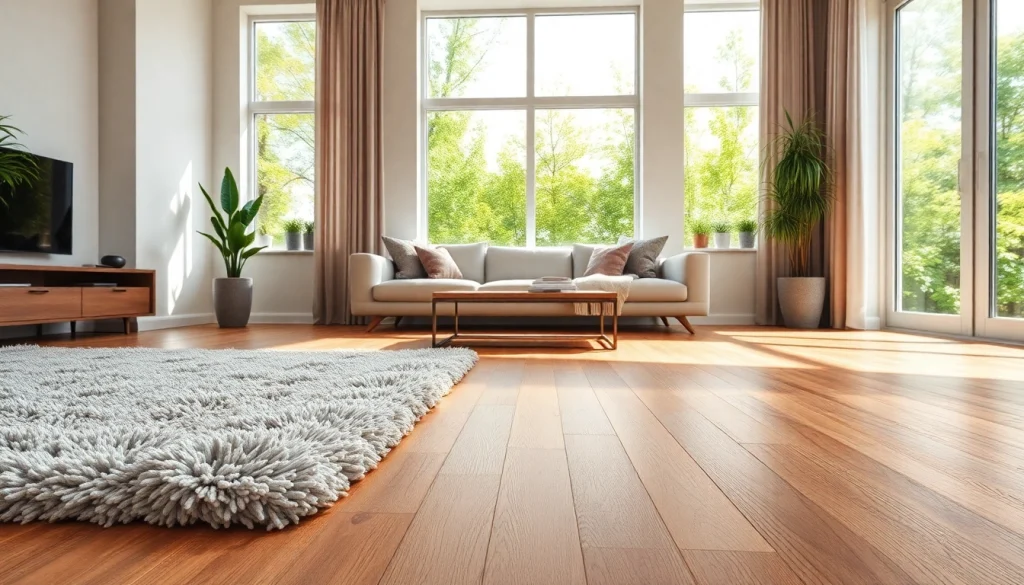
- Light colors that promote openness and brightness
- Grain patterns that resemble rustic hardwood for added texture
Color and Texture Choices
Choosing the right color and texture can make a significant difference in your space:
- Neutral colors provide a timeless elegance and integrate easily with various décor.
- Bold colors can create a statement floor, acting as the focal point of a room.
- Textures that replicate wood grain or stone provide depth and richness to the flooring.
Complementary Décor Ideas
Consider these ideas to complement your LVP flooring choice:
- Pair lighter floors with darker furniture for a stunning contrast.
- Use area rugs to define spaces, especially in open-concept floor plans.
- Incorporate natural elements like plants to enhance warmth and liveliness.
Frequently Asked Questions about LVP Flooring
How durable is lvp flooring?
LVP flooring is known for its durability, often lasting 15 to 25 years with proper care, making it suitable for high-traffic areas.
Can lvp flooring be installed over existing flooring?
Yes, LVP can usually be installed over various types of existing flooring as long as it’s smooth and clean, making installation easier.
Is lvp flooring waterproof?
Most LVP flooring is highly water-resistant and can handle spills and moisture, making it ideal for kitchens and bathrooms.
What is the average lifespan of lvp flooring?
The lifespan of LVP flooring typically ranges from 15 to 25 years, depending on the quality of the product and maintenance practices.
How do I clean and maintain lvp flooring?
Regular sweeping, mopping with a mild cleaner, and avoiding harsh chemicals will help maintain the appearance and longevity of LVP flooring.