Understanding Sleek Illumination
Defining Sleek Illumination
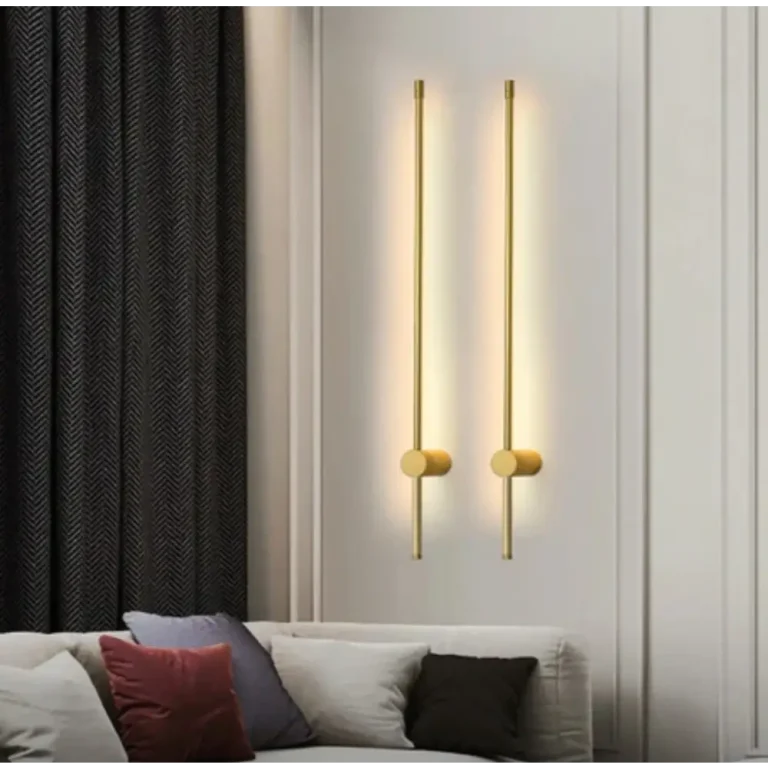
Sleek Illumination is not merely about lighting; it embodies the seamless integration of aesthetics and functionality within a space. Defined by minimalist design principles and modern techniques, this form of illumination leverages clean lines and understated elegance to enhance the visual appeal of an environment. The essence of sleek illumination lies in its ability to transform spaces into sophisticated sanctuaries where light plays a vital role. This approach focuses on blending technology with artistic design, creating a harmonious balance that elevates everyday experiences.
Importance in Modern Design
In the realm of contemporary design, Sleek Illumination has emerged as a central theme. Designers recognize that effective lighting can make or break a space. It impacts mood, functionality, and aesthetics, whether in residences, offices, or public venues. This technique prioritizes streamlined designs that reduce clutter while providing effective illumination. As a result, spaces appear larger, more inviting, and visually captivating. The functional advantages, such as energy efficiency and adaptability, make sleek illumination a preferred choice among architects and interior designers alike.
Historical Context of Illumination Styles
The use of light in design has evolved significantly throughout history. In earlier periods, illumination primarily revolved around natural sources such as sunlight, supplemented by candles and oil lamps. The Industrial Revolution marked a dramatic shift with the advent of electric lighting, leading to more diverse styles and applications. Traditional lighting was often ornate, adorned with intricate details that emphasized craftsmanship. However, as modernism took hold, the focus shifted towards minimalism and functionality, paving the way for sleek illumination that celebrates simplicity and efficiency. This historical journey reflects cultural shifts and technological advancements that continue to influence contemporary design.
Techniques for Implementing Sleek Illumination
Layering Light Sources
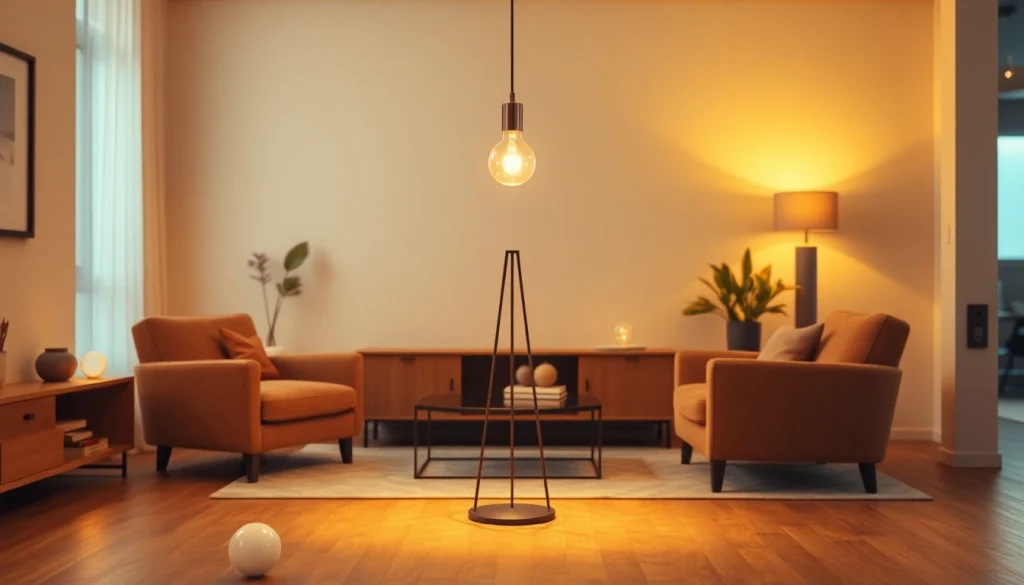
One of the most effective techniques in achieving sleek illumination is layering light sources. This method combines ambient, task, and accent lighting to create a multifaceted approach to illumination. Ambient lighting provides general illumination for the space, task lighting focuses on specific areas for activities such as reading or cooking, and accent lighting highlights architectural features or artwork. By strategically integrating these layers, designers can create depth and visually dynamic environments that cater to various activities and moods.
Utilizing Natural Light
Natural light is an invaluable asset in sleek illumination design. Large windows, skylights, and open layouts can maximize daylight in indoor spaces, reducing the dependence on artificial lighting and enhancing energy efficiency. Incorporating reflective surfaces and lighter color palettes can further distribute natural light throughout a space. This approach not only fosters a connection with the outdoors but also contributes to well-being, as studies indicate that exposure to natural light positively affects mood and productivity.
Color Temperature Considerations
The color temperature of lighting plays a critical role in the overall ambiance of a space. Measured in Kelvins, it influences whether a light source appears warm and inviting or cool and stimulating. For sleek illumination, it’s important to choose color temperatures that complement the intended use of the space. Warmer temperatures (2700K-3000K) tend to create a cozy atmosphere, making them ideal for living and dining areas, while cooler temperatures (3500K-4100K) are better suited for workspaces where focus and clarity are paramount. Balancing these temperatures throughout a space helps achieve a cohesive and inviting environment.
Common Challenges in Achieving Sleek Illumination
Overcoming Dim Lighting Issues
A prevalent challenge in achieving sleek illumination is overcoming dim lighting issues. Poorly lit spaces can seem uninviting and uncomfortable. To combat this, designers can employ brighter, energy-efficient LED fixtures and strategically place them to enhance visibility. Additionally, emphasizing vertical space through lighting can create an illusion of height and openness. Regularly assessing and adjusting the lighting intensity based on activities in the area also helps maintain an optimal ambiance.
Managing Light Reflection and Glare
Glare from direct light sources can detract from the sleek illumination experience. It can cause discomfort and hinder the functionality of a space. To manage glare, utilize indirect lighting techniques that diffuse light, such as wall washers or recessed lighting. Selecting shades, finishes, and materials that minimize reflective surfaces also plays a crucial role. The use of dimmer switches can empower users to adjust light levels according to preference, ultimately providing a more comfortable lighting experience.
Balancing Style with Functionality
A significant challenge in sleek illumination is striking a balance between style and functionality. A visually appealing design may not always meet practical lighting needs. It’s essential for designers to prioritize functionality while adhering to aesthetic principles. Conducting thorough assessments of how lighting will be used in different areas and considering the user experience helps to create solutions that meet both decorative and practical objectives. Leveraging smart lighting solutions can also optimize functionality without compromising the design ethos.
Case Studies of Sleek Illumination
Residential Spaces
In residential applications, sleek illumination can redefine home environments. A prime example is an open-concept living space where layered lighting effectively delineates different functional areas. Here, recessed lighting provides general illumination, while pendant lights above kitchen islands serve as task lighting. Accentuating architectural features or artwork with directional spotlights adds a touch of personality without overwhelming the space. This thoughtful illumination creates a warm and welcoming atmosphere, inviting residents and guests alike.
Commercial Application
In the commercial sector, sleek illumination plays a vital role in branding and customer experience. Retail spaces can use dynamic lighting design to highlight merchandise, create focal points, and guide customer flow. For instance, the strategic placement of track lighting helps draw attention to featured products, while softer ambient lighting enhances the overall shopping experience. Case studies show that effective sleek illumination correlates with increased sales, demonstrating the profound impact of lighting on consumer behavior.
Event and Display Installations
Event and display installations can greatly benefit from sleek illumination techniques. Consider an art exhibition where the lighting is intentionally designed to complement the artwork while providing visitors with an optimal viewing experience. By utilizing adjustable spotlights, curators can control the intensity and direction of light to highlight key pieces while ensuring the overall ambiance remains consistent throughout the space. This level of meticulous planning enhances visitor engagement and appreciation for the installation.
Future Trends in Sleek Illumination
Smart Lighting Innovations
As technology advances, smart lighting innovations are set to redefine sleek illumination. Home automation systems allow users to control lighting remotely or set it to adjust automatically based on time of day or presence. This adaptability ensures spaces remain optimally illuminated, enhancing energy efficiency and user comfort. Furthermore, integrating smart sensors can significantly impact different environments, from homes to offices, providing tailored solutions that promote sustainability without compromising style.
Eco-Friendly Lighting Solutions
With increasing awareness of environmental issues, eco-friendly lighting solutions are gaining traction in sleek illumination design. Energy-efficient LED bulbs, solar-powered lights, and sustainable materials are becoming standard in modern designs. These solutions not only reduce energy consumption but also generate less waste. Designers are now prioritizing sustainability in aesthetic choices, leading to innovative products that maintain visual appeal while emphasizing environmental responsibility.
Adapting to Changing Design Aesthetics
As design aesthetics continue to evolve, so too will the methods of implementing sleek illumination. Current trends emphasize versatility, allowing spaces to transition between various uses seamlessly. Designers must stay informed about changing consumer preferences and technological advancements to ensure that illumination solutions remain relevant. By being adaptable and open to new ideas, professionals can create enduring designs that resonate with a broad range of users.
FAQs about Sleek Illumination
What is Sleek Illumination?
Sleek Illumination refers to lighting techniques that integrate minimalistic design principles to enhance functionality and aesthetics in a space.
How can I achieve Sleek Illumination in my home?
You can achieve Sleek Illumination by layering light sources, optimizing natural light, and selecting appropriate color temperatures to fit your desired ambiance.
What are common challenges in Sleek Illumination?
Common challenges include dim lighting issues, managing glare and light reflections, and balancing style with practical functionality.
Are there any eco-friendly options for Sleek Illumination?
Yes, eco-friendly options include the use of LED lighting, solar-powered fixtures, and materials that promote sustainability without sacrificing style.
What are future trends in lighting design?
Future trends include smart lighting innovations, eco-friendly solutions, and designs that adapt to changing aesthetics and user needs.