
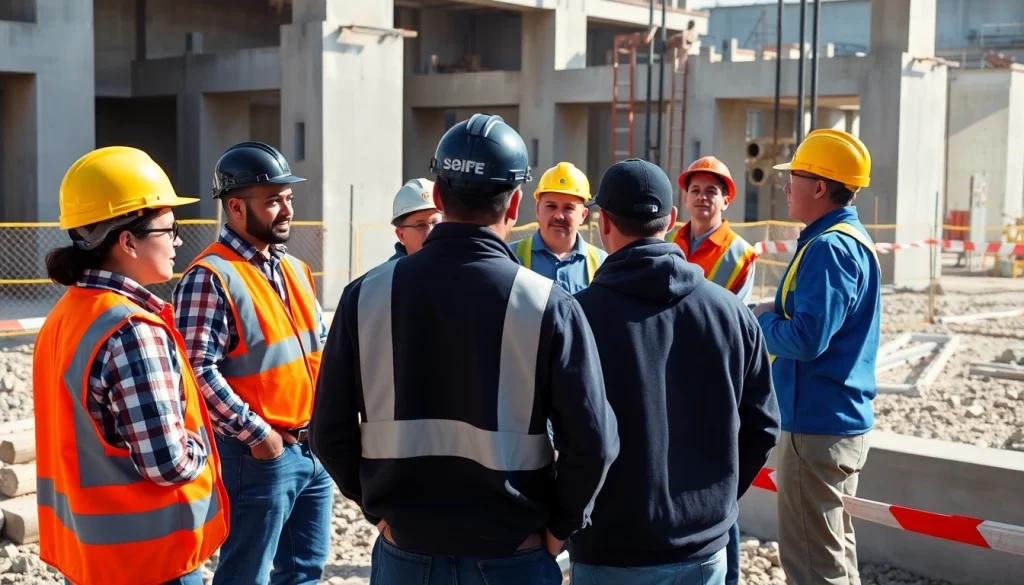
Understanding Construction Safety Programs
Definition and Importance
Construction safety programs are structured frameworks designed to identify and mitigate hazards associated with construction activities. These programs are vital for protecting construction workers, ensuring compliance with laws, and reducing accidents that can lead to severe injuries or fatalities. An effective construction safety programs approach not only safeguards employees but also promotes a culture of safety that can lead to increased productivity and worker morale. By prioritizing safety, companies can create a work environment that values human life, adheres to regulatory standards, and maintains their reputation within the industry.
Key Components of Effective Programs
An effective construction safety program incorporates several key components that together form a comprehensive approach to safety management. These components typically include:
- Risk Assessment: Identifying potential hazards on site and evaluating their risk level.
- Employee Training: Providing workers with the necessary safety training and knowledge to perform their tasks safely.
- Emergency Preparedness: Establishing protocols for emergencies, including evacuation plans and first-aid measures.
- Regular Inspections: Conducting ongoing site inspections to ensure compliance with safety policies and regulations.
- Documentation and Reporting: Maintaining accurate records of safety procedures, incidents, and regulations for accountability and improvement.
Legal and Regulatory Framework
The construction industry is governed by an extensive legal and regulatory framework that mandates safety standards and practices. In many countries, organizations such as OSHA (Occupational Safety and Health Administration) in the United States provide guidelines and regulations that construction companies must follow. These regulations often dictate safety equipment standards, worker training mandates, and reporting requirements for workplace incidents. Understanding and adhering to these legal requirements is crucial for organizations to avoid penalties and create a compliant workplace.
Developing a Successful Construction Safety Program
Risk Assessment Procedures
Risk assessment is the foundation of any construction safety program. It involves identifying potential hazards, assessing the risks associated with these hazards, and implementing practical controls to minimize them. Procedures for conducting risk assessments typically follow these steps:
- Hazard Identification: Engage workers in discussing potential hazards they face, such as falls, electrical risks, and equipment malfunctions.
- Risk Evaluation: Assess the severity and likelihood of accidents occurring from identified hazards, using a matrix to prioritize risks.
- Control Measures: Implement strategies to mitigate risks, such as employing protective equipment, altering work processes, or providing additional training.
Employee Training and Engagement
Employee training and engagement are critical elements in the effectiveness of safety programs. It is essential that workers not only receive adequate training but also understand their role in maintaining safety. Effective training programs should include:
- Comprehensive Safety Orientation: New workers should undergo safety orientation sessions to familiarize them with hazards and safety protocols.
- Ongoing Training Sessions: Regular training updates help workers stay informed about new regulations and safety technologies.
- Interactive Engagement: Encouraging workers to participate in discussions about safety helps reinforce a culture of safety and empowers employees.
Creating Safety Policies and Guidelines
The development of clear safety policies and guidelines is another essential component of a successful construction safety program. These documents should outline specific procedures for handling various safety scenarios and include:
- General Safety Rules: Establishing basic safety expectations for all workers, such as wearing personal protective equipment (PPE).
- Incident Reporting Procedures: Detailing how workers should report accidents or near misses to encourage transparency.
- Disciplinary Measures: Outlining the consequences for non-compliance with safety policies to enforce accountability.
Implementing Construction Safety Programs
Site-Specific Safety Plans
Implementing safety programs requires site-specific safety plans tailored to the unique hazards and environmental conditions of each construction site. These plans should detail:
- Project Description: An overview of the construction project, including the scope of work and timeline.
- SWIFT Analysis: A structured analysis that assesses site conditions, weather considerations, and potential workforce hazards.
- Emergency Response Plan: Guidelines for emergency situations tailored to the specific site context, including contact information for emergency services.
Tools and Resources for Implementation
Successful implementation of construction safety programs involves utilizing various tools and resources. These may include:
- Safety Management Software: Utilizing digital platforms to track incidents, training records, and compliance measures.
- PPE Supplies: Ensuring frontline workers have the necessary personal protective equipment readily available.
- Training Modules: Offering access to specialized safety training modules that provide interactive learning experiences.
Monitoring and Evaluation Techniques
Monitoring and evaluating the effectiveness of a construction safety program is crucial for ensuring continued safety improvement. Techniques for monitoring can include:
- Regular Site Audits: Conducting unannounced safety audits to assess compliance with safety protocols and identify areas for improvement.
- Incident Tracking: Analyzing incident reports to determine root causes and patterns in accidents or near misses.
- Safety Meetings: Hosting regular safety meetings to review safety performance and gather feedback from workers on potential improvements.
Common Challenges in Implementing Safety Programs
Resistance to Change Among Workers
One common challenge in implementing construction safety programs is resistance to change among workers. Many workers may be accustomed to specific routines and might resist new safety protocols. Strategies to overcome this resistance include:
- Involvement of Workers: Involve workers in the development of new safety practices to increase buy-in and ownership.
- Highlighting Benefits: Clearly communicate the benefits of the new safety measures to help workers understand the importance of compliance.
- Role Modeling: Have management actively practice safety protocols, demonstrating their commitment to a safe work environment.
Budget Constraints and Resource Allocation
Budget constraints present a substantial challenge to implementing comprehensive safety programs. Organizations may find it challenging to allocate funding for training, equipment, and compliance activities. To navigate these constraints:
- Conduct Cost-Benefit Analyses: Assess the financial implications of investing in safety programs versus the potential costs of accidents.
- Prioritize Resources: Allocate budget to high-risk areas first to maximize the impact of safety investments.
- Seek External Funding: Explore grants or partnerships with local safety organizations to supplement safety funding.
Managing Multiple Sites and Compliance
For companies managing multiple construction sites, ensuring consistent compliance with safety programs across locations can be challenging. To address this issue:
- Standardized Safety Procedures: Develop standardized procedures that all sites must follow to maintain uniformity.
- Centralized Reporting Systems: Implement a centralized system for reporting and monitoring incidents across multiple sites.
- Dedicated Safety Coordination: Assign a safety coordinator to oversee safety compliance and training at multiple locations.
Evaluating the Effectiveness of Construction Safety Programs
Performance Metrics and Key Indicators
To evaluate the effectiveness of construction safety programs, organizations should establish performance metrics and key indicators that provide actionable data. Critical performance metrics might include:
- Incident Rates: Monitoring the frequency of workplace incidents over time to identify trends and areas requiring improvement.
- Training Completion Rates: Tracking the percentage of workers who complete required safety training to ensure compliance.
- Audit Results: Evaluating findings from safety audits to understand areas of non-compliance or required improvements.
Feedback Mechanisms
Creating robust feedback mechanisms is essential for improving safety programs. Organizations can adopt the following strategies:
- Worker Surveys: Conduct regular surveys to gather anonymous feedback from workers about safety protocols and concerns.
- Incident Reviews: Hold discussions after incidents to examine what went wrong and how to prevent future occurrences.
- Open Communication Channels: Encourage workers to speak openly about safety concerns without fear of repercussions.
Continuous Improvement Strategies
Continuous improvement is key to maintaining effective construction safety programs. Strategies for promoting ongoing enhancement include:
- Regular Training Updates: Updating training materials based on changing regulations and emerging best practices.
- Benchmarking: Comparing safety performance with industry standards to identify areas for improvement.
- Celebrating Success: Acknowledging safety successes and improvements can motivate workers and reinforce the importance of safety.
Frequently Asked Questions (FAQs)
What are construction safety programs?
Construction safety programs are structured plans designed to identify, mitigate, and manage hazards associated with construction work to protect workers and ensure regulatory compliance.
Why are safety programs important in construction?
Safety programs are crucial to prevent workplace accidents, protect worker health, comply with regulations, and enhance organizational productivity and morale.
What are the key components of an effective safety program?
Key components include risk assessment, employee training, safety policies, emergency preparedness, and ongoing monitoring and evaluation.
How can resistance to safety changes be managed?
Involving workers in the process, communicating benefits, and demonstrating commitment through management role modeling can help alleviate resistance.
What metrics are used to evaluate safety program effectiveness?
Effective evaluation uses metrics like incident rates, training completion rates, and results from safety audits to assess performance and identify improvement areas.